NFT Buyers Surge 120% While Sales Hold Steady at $61.5M
NFT Buyers Surge 120% growth despite flat $61.5M sales. Discover what's driving new collectors and what it means for digital assets.

The non-fungible token market continues to surprise analysts and investors alike with its latest performance metrics, revealing an intriguing paradox. NFT Buyers Surge 120%: While total sales volumes have remained relatively stagnant at approximately $61.5 million, the number of active buyers participating in the NFT ecosystem has skyrocketed by an impressive 120%. This remarkable divergence between buyer growth and sales figures presents a fascinating narrative about the evolving nature of digital collectibles and the changing dynamics of blockchain-based asset ownership.
This surge in NFT buyers surge signals a fundamental shift in how newcomers are approaching the digital art and collectibles space. Rather than following the speculative frenzy that characterized previous market cycles, today’s collectors appear to be entering the market with more measured expectations and strategic purchasing behaviors. The phenomenon suggests that while fewer high-value transactions are occurring, a broader base of participants is discovering and engaging with NFT technology for the first time.
Understanding this trend requires examining multiple factors, including market maturation, pricing adjustments, accessibility improvements, and the evolving use cases for non-fungible tokens beyond mere speculation. As the digital collectibles market continues to develop, these metrics offer valuable insights into where the industry is heading and what it might mean for creators, platforms, and investors navigating this dynamic landscape.
The Numbers Behind the NFT Market Paradox
The latest data from blockchain analytics platforms reveals a compelling story about the current state of NFT trading activity. The 120% increase in unique buyers represents one of the most significant expansions of market participation observed in recent quarters, yet this growth hasn’t translated into proportional increases in overall transaction volume. This discrepancy suggests that new entrants are making smaller, more conservative purchases compared to the whale-dominated transactions that previously characterized the space.
Breaking down the $61.5 million in sales reveals interesting patterns across different blockchain networks and NFT categories. Ethereum continues to dominate as the primary network for high-value transactions, though alternative chains like Polygon, Solana, and Base have attracted substantial portions of the new buyer demographic. These blockchain platforms offer lower transaction fees, making them more accessible to newcomers who might be deterred by Ethereum’s sometimes prohibitive gas costs.
The flat sales figures, when contrasted with the dramatic buyer growth, indicate a shift toward smaller individual purchases. Where previous market cycles saw transactions regularly exceeding tens or hundreds of thousands of dollars, current activity shows a healthier distribution across various price points. This democratization of NFT ownership suggests the market is becoming less dependent on a small number of wealthy collectors and more sustainable through broader community participation.
Why New Buyers Are Entering: NFT Buyers Surge 120%
Several factors are contributing to the influx of new participants in the NFT marketplace, even as overall spending remains relatively constant. First and foremost, the reduction in floor prices across many popular collections has lowered barriers to entry. Collections that once required significant capital investment are now accessible to middle-market buyers interested in owning a piece of digital culture without breaking the bank.
Educational initiatives and improved user experiences have also played crucial roles in attracting newcomers. Major platforms have invested heavily in simplifying the onboarding process, creating tutorials, and developing more intuitive interfaces that don’t require extensive technical knowledge. This accessibility has opened doors for demographics previously intimidated by the complexity of cryptocurrency wallets, blockchain transactions, and smart contracts.
Additionally, the maturation of NFT utility beyond simple profile pictures has attracted buyers with different motivations. Gaming NFTs, membership tokens, event tickets, and digital fashion items appeal to users who see practical value rather than purely speculative opportunities. These utility-focused tokens create genuine reasons for ownership that extend beyond hoping for price appreciation, attracting a more diverse and engaged buyer base.
The Impact of Market Correction on Buyer Behavior
The significant price corrections experienced throughout the broader crypto and NFT markets have paradoxically created conditions favorable for new buyer entry. As speculative fervor has cooled, NFT valuations have become more grounded in perceived utility and community strength rather than pure hype. This environment appeals to risk-averse individuals who were previously skeptical of inflated prices.
Veteran collectors and investors have also adjusted their strategies in response to market conditions. Rather than making large singular purchases, many are diversifying across multiple projects and price points. This behavioral shift contributes to increased buyer counts while maintaining stable overall sales figures. The risk management approach now prevalent in the space reflects growing market sophistication.
Furthermore, the reduction in high-profile celebrity endorsements and viral marketing campaigns has created a more authentic discovery process. New buyers are finding projects through genuine interest in art, community, or utility rather than fear of missing out on the next quick flip. This organic growth pattern, while slower, tends to build more sustainable communities around digital asset projects.
Platform Evolution and Accessibility Improvements
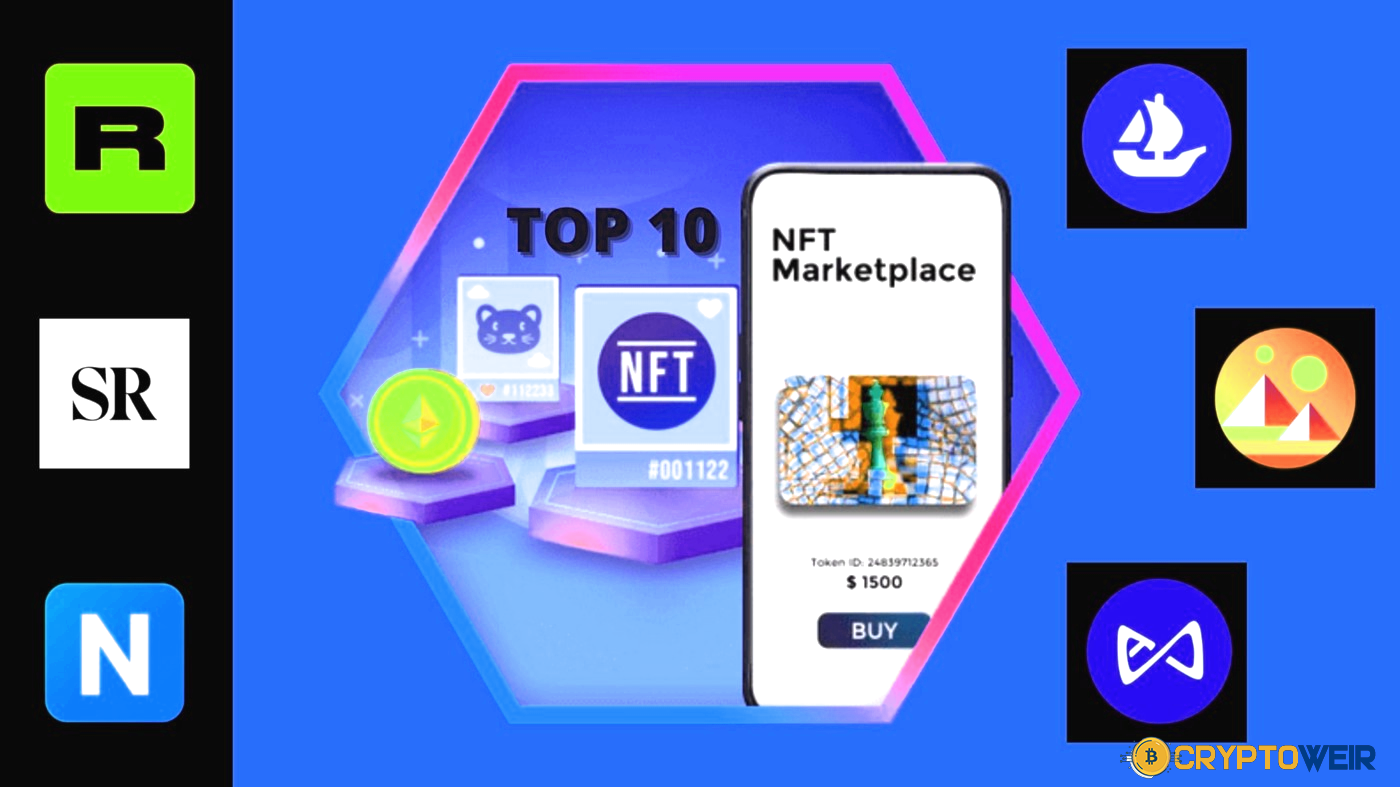
Major NFT marketplaces have undergone significant transformations to accommodate changing market dynamics and attract new users. OpenSea, Blur, Magic Eden, and other leading platforms have implemented features designed to improve discoverability, reduce friction, and enhance the overall user experience. These improvements have made it considerably easier for newcomers to navigate the NFT ecosystem without requiring deep technical expertise.
The introduction of credit card payment options represents a particularly significant development for mainstream adoption. By allowing users to purchase NFTs without first acquiring cryptocurrency, platforms have removed one of the most significant barriers preventing traditional consumers from participating. This seamless fiat-to-NFT pathway has undoubtedly contributed to the surge in new buyers, even if individual purchase sizes remain modest.
Mobile applications and improved mobile web experiences have also expanded access to NFT markets. As younger demographics increasingly prefer mobile-first interactions, platforms that optimize for smartphone browsing and purchasing capture audiences that might never engage through desktop interfaces. This mobile accessibility has proven especially important for reaching international markets where mobile devices serve as primary internet access points.
The Role of Creator Economies in Sustained Growth
Independent artists, musicians, and content creators have discovered NFTs as viable channels for monetizing their work and building direct relationships with supporters. This creator-driven activity generates steady demand from fans and collectors who value supporting artists rather than purely seeking financial returns. The creator economy surrounding NFTs contributes significantly to buyer growth as each artist brings their existing audience into the space.
Platforms specifically designed for creators, such as Foundation, SuperRare, and Zora, have cultivated communities that prioritize artistic merit and creator-collector relationships over speculative trading. These ecosystems attract buyers motivated by cultural participation and art appreciation, demographics that approach purchases differently than investors focused primarily on returns. The result is increased buyer participation even when overall market volumes remain steady.
Additionally, the royalty mechanisms built into many NFT smart contracts ensure creators receive ongoing compensation from secondary sales. This feature has attracted artists seeking sustainable income models and collectors who appreciate supporting creators long-term. The artist royalty system represents a fundamental innovation that continues driving both creator adoption and buyer interest in the space.
Future Implications of Increased Buyer Participation

The 120% growth in NFT buyers, despite flat sales figures, carries significant implications for the industry’s trajectory. A broader base of participants creates more resilient markets less susceptible to manipulation by a small number of large holders. This market diversification should theoretically reduce volatility and create more predictable price discovery mechanisms as the space matures.
From a development perspective, increased buyer counts signal growing mainstream awareness and acceptance of digital ownership concepts. As more individuals become comfortable with NFTs through smaller purchases, they may gradually increase their participation and spending over time. This gradual onboarding creates a foundation for sustainable growth rather than boom-bust cycles driven by speculative excess.
The data also suggests that NFT technology is finding product-market fit beyond the initial hype cycle. When buyer numbers increase while prices moderate, it indicates that people are finding genuine value in ownership, participation, or utility rather than simply chasing quick profits. This value-driven adoption represents a healthier foundation for long-term ecosystem development than speculation-driven growth.
Challenges Facing the Expanding NFT Market
Despite positive signals from growing buyer participation, the NFT market faces several challenges that could impact future development. Regulatory uncertainty continues to loom over the space, with governments worldwide grappling with how to classify and regulate digital assets. Clear regulatory frameworks could either accelerate mainstream adoption or create barriers depending on how jurisdictions approach NFT regulation.
Technical challenges also persist, particularly around blockchain scalability, environmental concerns, and interoperability between different platforms and standards. While layer-2 solutions and alternative blockchains have addressed some concerns, the fragmentation of the NFT ecosystem across multiple chains creates friction for users trying to navigate the space. Solving these infrastructure challenges will be crucial for accommodating continued buyer growth.
Additionally, the market must continue addressing issues around intellectual property rights, authenticity verification, and protection against scams. As more mainstream buyers enter the space, the need for robust consumer protections and clear legal frameworks becomes increasingly urgent. Building trust through improved security measures and transparent practices will determine whether buyer growth can be sustained and accelerated.
Conclusion
The remarkable 120% increase in NFT buyers against a backdrop of flat $61.5 million sales figures tells a nuanced story about the digital collectibles market’s evolution. Rather than signaling decline, this divergence suggests a maturing ecosystem attracting broader participation through improved accessibility, reduced prices, and expanding utility. The shift from whale-dominated speculation to democratized ownership represents a healthier foundation for sustainable growth.
As platforms continue refining user experiences, creators build engaged communities, and utilities expand beyond simple collectibles, the conditions exist for continued buyer growth. While challenges around regulation, technology, and trust remain, the fundamental trajectory points toward mainstream acceptance of digital ownership concepts. The current market dynamics, characterized by growing participation despite modest spending, may prove more valuable long-term than the unsustainable hype cycles that preceded it. For investors, creators, and platforms, understanding these trends will be essential for navigating the next phase of NFT market development.
FAQs
Q: Why are more people buying NFTs even though total sales are staying the same?
The increase in buyers with flat sales indicates that newcomers are making smaller, more affordable purchases rather than the high-value transactions that previously dominated the market. Lower floor prices across collections, improved accessibility, and reduced speculation have made NFTs more approachable for average consumers entering the space for the first time.
Q: Which blockchain networks are attracting the most new NFT buyers?
While Ethereum remains the dominant network for NFT transactions, alternative blockchains like Polygon, Solana, and Base are attracting significant portions of new buyers due to their lower transaction fees. These networks make it more economical for newcomers to experiment with NFT purchases without paying prohibitive gas fees, making them particularly popular among price-sensitive buyers.
Q: Are NFTs still a good investment given the current market conditions?
NFT investments should be approached with caution and thorough research, as the market remains highly speculative and volatile. The current environment favors buyers interested in utility, community participation, or supporting creators rather than those seeking quick financial returns. Diversification, careful project evaluation, and realistic expectations are essential for anyone considering NFT purchases as investments.
Q: How have NFT marketplaces improved accessibility for new buyers?
Major platforms have implemented numerous improvements, including simplified onboarding processes, credit card payment options, mobile-optimized interfaces, and enhanced educational resources. These changes have removed technical barriers that previously required users to navigate cryptocurrency exchanges, wallet management, and complex blockchain interactions before making their first NFT purchase.
Q: What does the buyer surge mean for the future of NFTs?
The significant increase in buyer participation suggests growing mainstream awareness and acceptance of digital ownership concepts. This broader base of participants creates a more sustainable foundation for long-term ecosystem growth compared to speculation-driven markets. As buyers become comfortable with NFT technology through smaller purchases, the potential exists for gradual spending increases and continued market expansion over time.