Securitize EU License Bridges U.S.-Europe Blockchain Finance
Securitize becomes the only firm with regulated Europe Blockchain Finance. and EU, connecting global capital markets through tokenized securities.

The intersection of traditional finance and blockchain technology has reached a pivotal milestone that promises to reshape how global capital markets operate. In a groundbreaking development, Securitize has secured comprehensive regulatory approval from the European Union to operate a blockchain-based trading and settlement system, positioning itself as the only company with licensed digital securities infrastructure spanning both the United States and the European Union. Europe Blockchain Finance: This historic achievement marks a transformative moment for the tokenization industry and signals the maturation of blockchain technology within regulated financial frameworks.
The approval, granted by Spain’s National Securities Market Commission under the EU’s Distributed Ledger Technology Pilot Regime, enables Securitize to establish a unified digital infrastructure that connects two of the world’s largest capital markets. Europe Blockchain Finance: With this regulatory milestone, the company has effectively bridged the Atlantic divide that has historically fragmented global financial systems, creating unprecedented opportunities for issuers and investors to participate seamlessly across jurisdictions. The development represents years of collaborative work with European regulators and underscores the growing institutional acceptance of blockchain-based financial systems.
Regulatory Framework Behind Securitize’s EU Approval
The regulatory landscape for digital asset infrastructure in Europe has evolved significantly with the implementation of the DLT Pilot Regime, a specialized framework designed to facilitate innovation in blockchain-based financial services. This regulatory sandbox, which came into effect in March 2023, provides exemptions from certain traditional EU financial regulations to enable companies to test distributed ledger technology in real-world market conditions. The regime represents the European Union’s strategic approach to balancing innovation with investor protection and market integrity.
Securitize received authorization from Spain’s National Securities Market Commission to operate as both an Investment Firm and a Trading and Settlement System, creating a comprehensive regulatory foundation for its European operations. This dual authorization is particularly significant because it allows the company to combine functions traditionally handled by separate entities—specifically, the roles of a Multilateral Trading Facility and a Central Securities Depository—within a single digital framework. This integrated structure streamlines the entire lifecycle of tokenized securities, from issuance through trading and final settlement.
The regulatory approval process involved extensive collaboration with multiple European authorities, including the European Securities and Markets Authority, the Bank of Spain, and the European Central Bank. This multi-stakeholder engagement ensured that the approved system meets the stringent requirements for market infrastructure while incorporating the innovative capabilities of blockchain technology. The comprehensive nature of this regulatory review demonstrates the thoroughness with which European authorities are approaching the integration of distributed ledger technology into mainstream finance.
The Strategic Importance of Dual Jurisdiction Licensing

Securitize’s achievement of holding regulated licenses in both the United States and European Union creates a unique competitive position that extends far beyond simple market access. In the United States, the company operates as a registered broker-dealer and alternative trading system, providing it with the regulatory framework to facilitate digital securities trading within American markets. The addition of EU licensing creates a continuous regulatory pathway that spans the world’s two largest capital market regions, representing an unprecedented development in global financial infrastructure.
The practical implications of this dual jurisdiction framework are substantial. Historically, cross-border securities transactions have been hampered by regulatory fragmentation, differing settlement systems, and complex compliance requirements that increase costs and reduce efficiency. By establishing compliant infrastructure on both sides of the Atlantic, Securitize has created a foundation for truly global digital capital markets where tokenized assets can move seamlessly between jurisdictions while maintaining full regulatory compliance throughout the transaction lifecycle.
This regulatory connectivity addresses one of the fundamental challenges facing the tokenization ecosystem: the inability to efficiently trade the same assets across different regulatory jurisdictions. For institutional investors seeking exposure to tokenized securities, the ability to access both American and European markets through a single compliant platform represents a significant operational simplification. Similarly, issuers gain the ability to reach a broader investor base without navigating multiple disconnected regulatory frameworks, potentially improving liquidity and reducing capital costs.
Avalanche Blockchain: The Technical Foundation for European Operations
The selection of the Avalanche blockchain as the technical infrastructure for Securitize’s European trading and settlement system represents a strategic decision grounded in the specific requirements of regulated financial markets. Avalanche provides transaction finality in under one second, a performance characteristic essential for compliant financial operations where settlement certainty is paramount. This rapid finality reduces counterparty risk and enables the real-time settlement capabilities that distinguish blockchain-based systems from traditional financial infrastructure.
Beyond raw performance metrics, Avalanche’s architecture offers customization capabilities that align with the unique needs of institutional participants and regulatory authorities. The platform supports the deployment of purpose-built blockchains that can be tailored to meet specific regulatory requirements, compliance standards, and operational needs. This flexibility is particularly valuable in the context of regulated securities markets, where different asset classes and jurisdictions may have distinct technical and compliance requirements that need to be accommodated within the infrastructure.
The blockchain’s institutional credibility has been strengthened through adoption by major financial institutions for tokenization projects. Notable participants including Apollo, JPMorgan, and BlackRock have utilized Avalanche for various digital asset initiatives, validating its capability to support enterprise-grade financial infrastructure. Securitize’s deployment on Avalanche further reinforces this institutional trajectory and demonstrates the blockchain’s suitability for large-scale regulated market systems. The selection also positions Avalanche as a critical technical partner in Europe’s first licensed blockchain-based securities infrastructure, potentially establishing technical standards for future developments in the region.
The Roadmap for Tokenized: Europe Blockchain Finance
Securitize has outlined an ambitious timeline for launching tokenized securities under its new European framework, with the first regulated issuances expected in early 2026. This initial product suite will encompass multiple asset categories, including tokenized equity securities, debt instruments, and investment funds, providing European investors with access to a diversified range of digital financial products. The launch will represent a practical demonstration of how blockchain technology can be integrated into traditional capital markets while maintaining full regulatory compliance and investor protections.
The company’s European entity, Securitize Europe Brokerage and Markets, previously obtained its Investment Firm license in December 2024, establishing capabilities for order reception and execution, custody services, and digital transfer-agent functions. This license has been passported across key EU jurisdictions including Germany, France, Italy, and Luxembourg, creating operational reach across the continent’s major financial centers. The passporting mechanism, which allows financial licenses granted in one EU member state to be recognized throughout the bloc, effectively gives Securitize market access across all 27 European Union countries.
The upcoming platform will support the complete lifecycle of tokenized securities within a unified digital environment. This encompasses the initial issuance process, secondary market trading, settlement, and ongoing asset servicing functions. By consolidating these traditionally fragmented processes within a single blockchain-based system, Securitize aims to reduce operational complexity, lower transaction costs, and improve the overall efficiency of securities markets. The integration of smart contract functionality enables automated compliance checks, programmable corporate actions, and real-time reporting capabilities that represent significant advances over legacy market infrastructure.
Connecting Global Capital Markets Through Tokenization
The broader vision behind Securitize’s dual-jurisdiction licensing extends beyond regulatory compliance to fundamentally reimagine how global capital markets function. Traditional financial infrastructure has evolved as a patchwork of regional systems, each with distinct settlement mechanisms, custody arrangements, and regulatory frameworks. This fragmentation creates friction in cross-border transactions, limits liquidity, and constrains capital formation, particularly for smaller issuers seeking international investment.
Securitize CEO Carlos Domingo emphasized that the approval represents a crucial moment for making capital markets more open, clear, and efficient through tokenization. The company’s mission of bringing next-generation finance on-chain requires not only technological innovation but also the regulatory frameworks that enable compliant operation across jurisdictions. The EU approval represents a critical milestone in this journey, demonstrating that regulators recognize the potential benefits of blockchain technology and are willing to create pathways for its integration into mainstream finance.
The significance of this development extends beyond Securitize’s specific platform to signal broader regulatory acceptance of blockchain finance as a legitimate evolution of capital markets infrastructure. As regulators in major jurisdictions develop frameworks for digital securities, the potential emerges for a more interconnected global financial system where assets can be issued, traded, and settled with greater efficiency than current systems allow. This evolution could democratize access to capital markets, reduce settlement risk, and enable new forms of financial innovation that benefit both issuers and investors.
The Institutional Momentum Behind Asset Tokenization
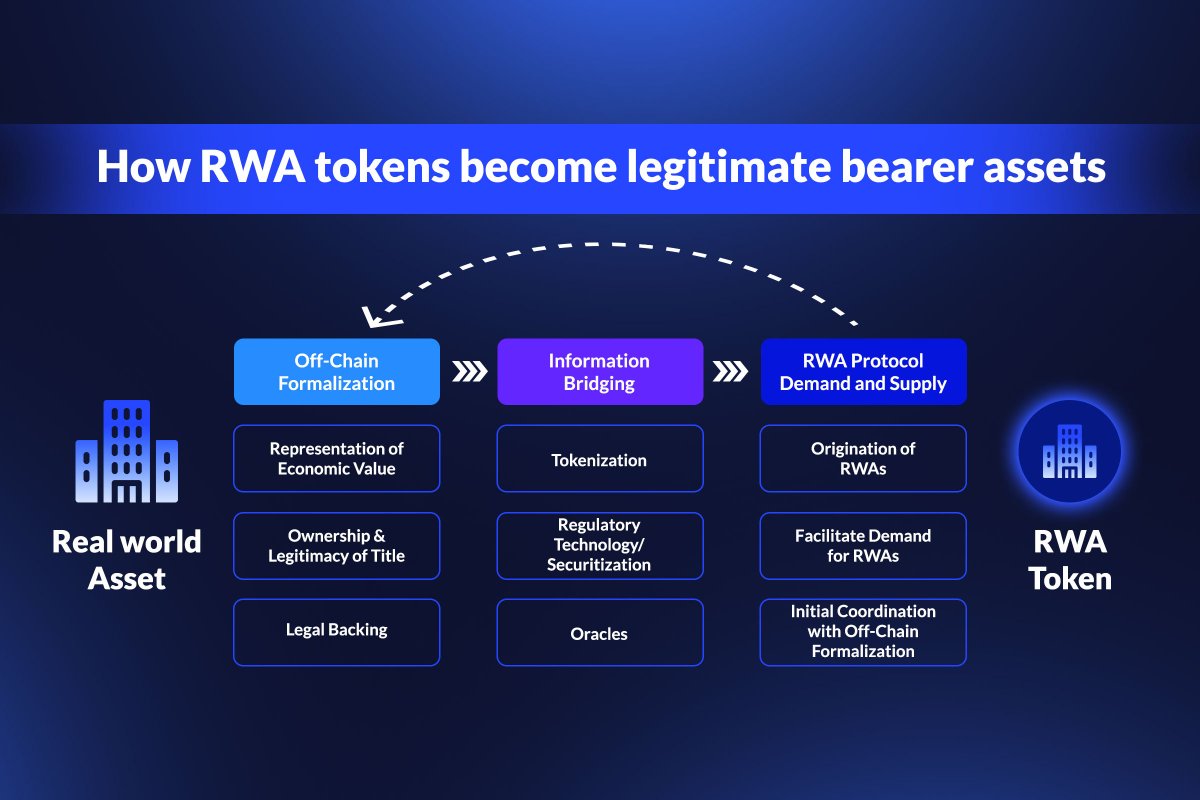
Securitize’s regulatory achievements arrive amid significant institutional momentum in the asset tokenization sector. The company currently manages approximately $4.6 billion in tokenized assets, including BlackRock’s BUIDL money market fund, which has emerged as one of the largest tokenized financial products with over $2 billion in assets under management. This institutional participation from leading asset managers validates the operational viability of tokenized securities and demonstrates growing comfort with blockchain-based financial infrastructure among traditional financial institutions.
The company’s investor base further illustrates the institutional credibility of its approach, with backing from BlackRock, Hamilton Lane, Morgan Stanley, Nomura, and Banco Santander, among others. These established financial institutions bring not only capital but also operational expertise and market relationships that are essential for bridging traditional and digital finance. Their participation signals confidence that tokenized real-world assets represent a sustainable evolution of financial markets rather than a speculative experiment.
Market projections reinforce this institutional enthusiasm, with research from Boston Consulting Group suggesting that tokenized assets could reach $18 trillion in total value by 2033. This exponential growth trajectory reflects the potential efficiency gains, cost reductions, and enhanced capabilities that blockchain-based systems can bring to capital markets. As regulatory frameworks mature and technical infrastructure improves, the barriers to institutional adoption continue to diminish, creating conditions for accelerated growth in the tokenization sector.
Securitize’s Market Position and Future Trajectory
The EU regulatory approval strengthens Securitize’s position as a leader in the global tokenization ecosystem at a pivotal moment in the company’s development. The firm recently announced a SPAC merger with Cantor Equity Partners II that values the company at $1.25 billion, providing capital for continued expansion and platform development. This transaction, which will result in Securitize becoming a publicly traded company, brings additional transparency and institutional governance to the tokenization sector.
The convergence of regulatory approval, institutional backing, and public market access creates a powerful foundation for Securitize to execute its vision of tokenizing global capital markets. The company’s comprehensive regulatory framework spanning the U.S. and EU provides a competitive moat that will be difficult for competitors to replicate quickly, given the extensive time and resources required to obtain such approvals. This regulatory advantage, combined with proven operational capabilities and strong institutional relationships, positions Securitize to capture significant market share as tokenization adoption accelerates.
The company’s platform already supports partnerships with leading asset managers and has demonstrated the ability to scale tokenized products to multi-billion dollar asset levels. As the European platform launches in 2026, Securitize will have the infrastructure to serve issuers and investors across the world’s two largest capital markets through a unified compliant framework. This global reach, combined with the operational efficiencies of blockchain technology, creates opportunities to attract a diverse range of assets and participants to the platform.
Competitive Landscape and Industry Development
While Securitize’s dual-jurisdiction licensing represents a significant achievement, the broader tokenization landscape includes multiple players pursuing various approaches to blockchain-based financial infrastructure. Germany’s Boerse Stuttgart has launched digital securities settlement platforms, while Switzerland’s Taurus is developing similar capabilities. These parallel efforts reflect the growing recognition across financial centers that blockchain technology offers meaningful improvements over legacy infrastructure for certain applications.
The competitive dynamics in the tokenization sector will likely be shaped by regulatory positioning, technical capabilities, and the ability to attract both issuers and investors to nascent platforms. Securitize’s comprehensive regulatory framework provides advantages in serving institutional participants who require clear compliance pathways, while competitors may pursue alternative regulatory strategies or focus on specific jurisdictions or asset classes. The diversity of approaches will likely benefit the overall market by exploring different models and use cases for digital asset infrastructure.
Industry observers note that the tokenization sector remains in early stages despite recent progress, with significant work remaining to achieve mainstream adoption. Challenges include establishing interoperability between different blockchain platforms, developing standardized legal frameworks for tokenized assets, educating market participants about new capabilities, and building sufficient liquidity to make tokenized markets attractive to institutional investors. Success will require continued collaboration between technology providers, financial institutions, and regulatory authorities to address these multifaceted challenges.
Implications for Traditional Financial Infrastructure
The emergence of regulated blockchain-based trading and settlement systems raises important questions about the future of traditional financial market infrastructure. Current systems for securities trading and settlement have evolved over decades and incorporate substantial investments in technology, operational processes, and regulatory compliance frameworks. The introduction of blockchain alternatives presents both opportunities for efficiency gains and challenges related to transition costs and institutional inertia.
Proponents of blockchain-based systems highlight several potential advantages over traditional infrastructure. These include reduced settlement times that can shrink from days to minutes or seconds, lower operational costs through automation and disintermediation, enhanced transparency through shared ledgers, and improved access for smaller participants who may find traditional infrastructure costly or complex to navigate. The programmability of blockchain systems also enables new capabilities such as automated compliance checking and complex conditional transactions that are difficult to implement in legacy systems.
However, the transition from established infrastructure to blockchain-based alternatives involves substantial practical challenges. Existing systems serve critical functions and cannot simply be switched off without comprehensive migration strategies. Issues of interoperability between old and new systems, training of market participants, evolution of regulatory frameworks, and management of systemic risks must all be carefully addressed. The most likely path forward involves gradual integration where blockchain systems initially complement existing infrastructure before potentially assuming larger roles as the technology matures and adoption increases.
Regulatory Evolution and Future Developments
The regulatory frameworks enabling Securitize’s operations represent current approaches to governing blockchain-based financial services, but these frameworks will continue to evolve as technology advances and market experience accumulates. The EU’s DLT Pilot Regime, by design, is a testing ground intended to inform future permanent regulations for digital securities markets. Insights gained from the operation of licensed platforms like Securitize’s will likely influence the development of comprehensive regulatory frameworks that could eventually replace pilot programs.
In the United States, regulatory approaches to digital securities continue to develop through a combination of enforcement actions, guidance from agencies like the Securities and Exchange Commission, and potential new legislation. The coordination of regulatory frameworks between the U.S. and EU will be important for enabling the cross-border digital markets that Securitize and similar platforms aim to facilitate. International standard-setting bodies are beginning to address tokenization and blockchain-based financial infrastructure, though comprehensive global standards remain a work in progress.
The evolution of regulatory frameworks will need to address emerging challenges such as the governance of decentralized systems, the treatment of programmable assets with complex features, cross-border insolvency and recovery processes for digital assets, and the integration of stablecoins and other digital currencies into securities markets. Europe Blockchain Finance: As regulators gain experience with blockchain-based systems in practice, their approaches will likely become more refined and comprehensive, potentially accelerating institutional adoption by providing greater clarity and certainty.
Conclusion
Securitize’s acquisition of comprehensive regulatory approval to operate blockchain-based trading and settlement infrastructure across both the United States and the European Union represents a watershed moment for the integration of distributed ledger technology into mainstream capital markets. Europe Blockchain Finance: This achievement, built on years of regulatory engagement and technological development, Europe Blockchain Finance: creates a foundation for truly global digital securities markets that connect the world’s two largest financial regions through compliant blockchain infrastructure.
The significance of this development extends well beyond a single company’s regulatory status to signal the maturation of blockchain technology as a legitimate tool for financial market infrastructure. Europe Blockchain Finance: By demonstrating that distributed ledger systems can meet the rigorous standards required for regulated securities markets, Europe Blockchain Finance: Securitize and similar pioneers are opening pathways for broader institutional adoption of tokenization. Europe Blockchain Finance: The coming years will reveal whether these early frameworks evolve into the standard infrastructure for capital markets or remain specialized tools serving specific use cases.
As the European platform launches in 2026 with its first tokenized securities offerings, market participants will gain practical experience with cross-border blockchain-based trading and settlement. This real-world testing will provide valuable insights into the operational benefits, Europe Blockchain Finance: challenges, and potential of tokenized securities markets. The success or difficulties encountered will inform not only Securitize’s future development but also shape broader industry evolution and regulatory approaches to blockchain finance. The bridge between American and European blockchain finance has been established; Europe Blockchain Finance: the question now is how effectively it can facilitate the flow of capital and innovation across the Atlantic.
FAQs
Q: What makes Securitize’s EU license unique in the blockchain finance industry?
Securitize is currently the only company licensed to operate a regulated digital securities infrastructure in both the United States and the European Union. Europe Blockchain Finance: This dual-jurisdiction regulatory framework allows the company to bridge the world’s two largest capital markets through a single compliant blockchain-based platform, Europe Blockchain Finance: creating unprecedented connectivity for tokenized assets across the Atlantic.
Q: How does the DLT Pilot Regime benefit companies operating in the EU?
The Distributed Ledger Technology Pilot Regime is a specialized European regulatory framework that provides exemptions from certain traditional financial regulations to enable testing of blockchain-based market infrastructure. Europe Blockchain Finance: This regulatory sandbox allows companies like Securitize to innovate with distributed ledger technology while maintaining investor protections and regulatory oversight, facilitating the practical development of next-generation financial systems.
Q: Why did Securitize choose Avalanche for its European trading platform?
Securitize selected the Avalanche blockchain for its European infrastructure because of its sub-second transaction finality, Europe Blockchain Finance: which is essential for reducing settlement risk in regulated financial markets. Additionally, Avalanche’s architecture supports customizable blockchains that can be tailored to meet specific institutional and regulatory requirements, making it well-suited for compliant securities trading and settlement operations.
Q: When will the first tokenized securities be available on Securitize’s EU platform?
Securitize expects to launch its first EU-based tokenized securities issuances in early 2026. These initial offerings will include tokenized equity, Europe Blockchain Finance: debt instruments, and investment funds, providing European investors with access to blockchain-based financial products within a fully regulated framework that meets European Union securities standards.
Q: How does tokenization improve traditional securities markets?
Tokenization of securities through blockchain technology offers several potential improvements over traditional markets, including dramatically reduced settlement times from days to minutes, lower operational costs through automation, Europe Blockchain Finance: enhanced transparency via shared ledgers, improved accessibility for smaller participants, and programmable capabilities that enable automated compliance and complex conditional transactions that are difficult to implement in legacy systems.