BonkFun Cuts Fees to 0% Meme Coin Wars Heat Up Again
BonkFun slashes creator fees to zero, reigniting fierce competition among meme coin launchpads. Discover if the 2024 glory days are returning.
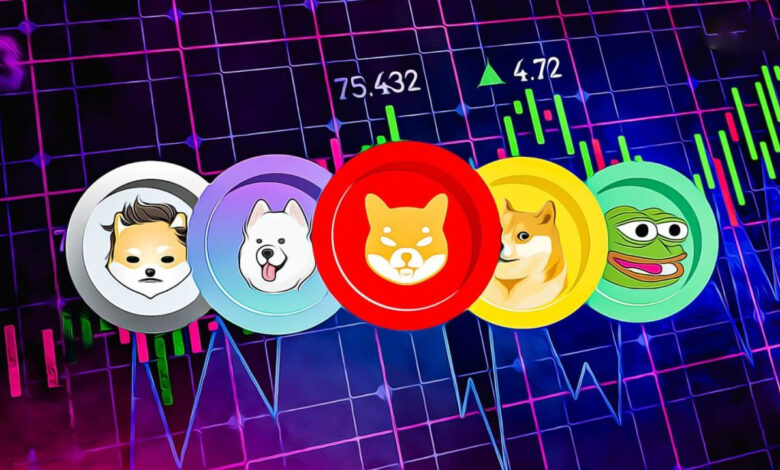
BonkFun, one of the prominent players in the meme coin launchpad ecosystem, has made a bold strategic move by reducing creator fees to an unprecedented zero percent. This aggressive pricing strategy has sent shockwaves through the digital asset community, Meme Coin Wars Heat Up Again: raising questions about whether the intense competition that characterized the peak meme coin season of 2024 is making a comeback. As platforms battle for market dominance, creators and investors alike are watching closely to see if this fee elimination will trigger a new wave of innovation and participation in the meme coin sector.
The decision by BonkFun comes at a crucial time when the meme coin market appears to be searching for its next catalyst. After experiencing explosive growth throughout 2024, the sector saw several launchpad platforms emerge, each vying for a slice of the lucrative market that saw billions of dollars flow through dog-themed tokens, community-driven projects, and viral cryptocurrency phenomena. Now, with this dramatic fee reduction, BonkFun is positioning itself as the most creator-friendly platform in the space, potentially forcing competitors to reevaluate their own pricing structures.
Launchpad Ecosystem: Meme Coin Wars Heat Up Again
The rise of meme coin launchpads represents one of the most fascinating developments in the cryptocurrency industry over the past few years. These platforms serve as specialized launching pads for new meme-based tokens, providing creators with the infrastructure, liquidity pools, and marketing tools necessary to bring their projects to life. Unlike traditional cryptocurrency exchanges or initial coin offering platforms, meme coin launchpads specifically cater to the unique needs of community-driven, often humor-based digital assets.
Launchpads typically generate revenue through various fee structures, including creator fees, trading fees, and transaction charges. The creator fee specifically refers to the percentage that platform operators take from the initial token creation process or from subsequent trading activity. These fees have historically ranged anywhere from one to five percent, representing a significant revenue stream for platform operators while also creating a barrier to entry for some potential creators.
The competitive landscape among these platforms intensified dramatically during 2024, when the meme coin sector experienced what many consider its golden age. Platforms like Pump.fun on Solana gained massive traction, processing thousands of token launches daily and generating substantial revenue. This success attracted numerous competitors, each offering different features, blockchain integrations, and fee structures to attract both creators and traders.
BonkFun’s Strategic Move: Zero Percent Creator Fees
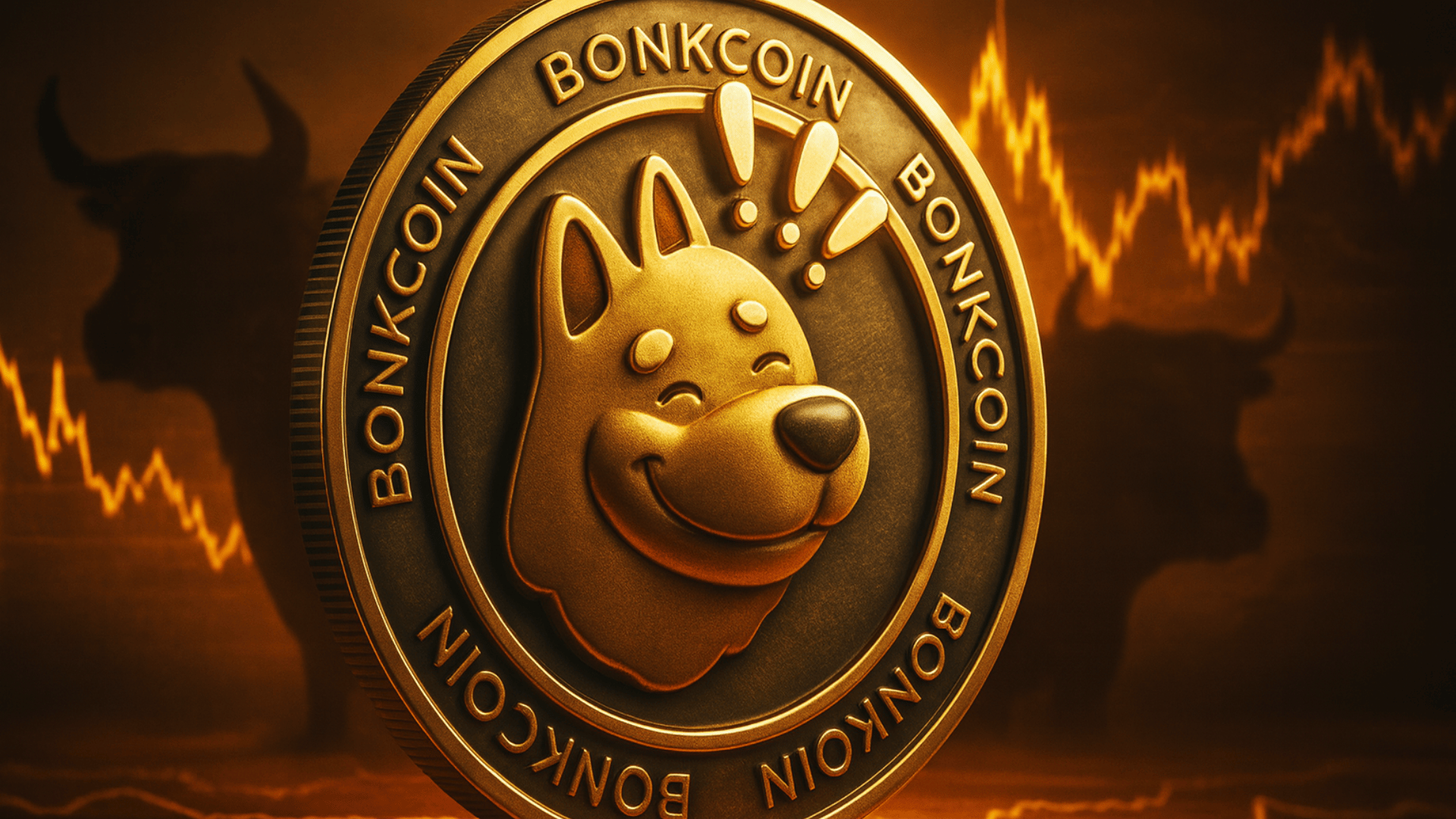
BonkFun’s decision to eliminate creator fees represents a paradigm shift in how launchpad platforms approach monetization. By removing this traditional revenue source, the platform is making a clear statement about its priorities: attracting the maximum number of creators to build on its infrastructure, even if it means sacrificing immediate profitability.
This zero-fee model could have profound implications for the entire ecosystem. When creators no longer face upfront costs or ongoing fee obligations, the barrier to entry drops significantly. This democratization of token creation could lead to an explosion of new projects, ranging from serious community initiatives to experimental concepts that creators might not have pursued under traditional fee structures.
However, the sustainability of this approach raises important questions. Without creator fees, BonkFun must rely on alternative revenue streams, likely including trading fees, premium features, or advertising partnerships. The platform’s ability to maintain quality control while encouraging mass participation will be critical. An influx of low-quality or potentially fraudulent projects could damage the platform’s reputation and ultimately drive away both creators and investors.
Industry observers note that this move mirrors strategies seen in other technology sectors, where platforms initially operate at a loss or with minimal monetization to capture market share, with plans to monetize more effectively once dominance is established. Whether this approach will succeed in the volatile cryptocurrency launchpad space remains to be seen.
The 2024 Glory Days: What Made Them Special
To understand whether we’re witnessing a return to the 2024 peak, it’s essential to examine what made that period so remarkable for meme coins. The year 2024 saw unprecedented retail participation in cryptocurrency markets, with social media platforms amplifying viral token launches and creating a cultural phenomenon that extended far beyond traditional crypto circles.
Several factors contributed to the 2024 boom. First, improved blockchain infrastructure made it easier than ever for average users to participate in token launches. Second, the bear market of previous years had created pent-up demand for speculative opportunities with high upside potential. Third, successful meme coins like Dogecoin and Shiba Inu had proven that community-driven tokens could achieve remarkable valuations, inspiring countless imitators and innovators.
The launchpad platforms themselves played a crucial role by simplifying the technical aspects of token creation. What once required coding expertise and blockchain knowledge became accessible through user-friendly interfaces that anyone could navigate. This democratization led to thousands of new tokens launching daily, creating a vibrant but often chaotic marketplace where fortunes could be made or lost in minutes.
During this period, platforms reported processing millions of dollars in daily volume, with some individual token launches raising six or seven figures within hours. The social dynamics were particularly interesting, as communities formed rapidly around new projects, with Discord servers and Telegram groups swelling to thousands of members within days of a token’s creation.
Competitive Pressures in the Launchpad Market
The meme coin launchpad sector has become increasingly competitive, with multiple platforms now fighting for creator attention and user engagement. Pump.fun, perhaps the most recognizable name in the space, established early dominance on the Solana blockchain, but competitors have emerged offering different value propositions.
Some platforms differentiate through blockchain selection, building on Ethereum, Binance, or other networks to serve communities with different preferences. Others focus on enhanced features like built-in marketing tools, anti-rug pull mechanisms, or community governance structures. A few have attempted to add legitimacy to the often-speculative sector by implementing verification processes or quality standards.
BonkFun’s zero-fee strategy represents yet another differentiation approach, competing primarily on cost rather than features or blockchain selection. This strategy could be particularly effective if other platforms are unable or unwilling to match the pricing, creating a clear competitive advantage that creators can easily understand and appreciate.
However, competition in this space extends beyond just pricing. User experience, platform reliability, liquidity depth, and community trust all play crucial roles in determining which platforms succeed. A race to the bottom on fees could potentially harm the entire ecosystem if it leads to reduced investment in security, infrastructure, or user support.
Implications for Creators and Investors
For creators, the elimination of fees represents an obvious benefit. Without upfront costs, experimentation becomes risk-free from a platform fee perspective. This could encourage more innovative projects, niche communities, and creative uses of token technology. Creators who might have been deterred by fees can now launch projects to test concepts or build communities without financial pressure.
The change also affects the economics of token launches. Previously, creators needed to factor platform fees into their tokenomics and pricing strategies. With zero fees, more value can potentially flow directly to early investors and community members, or creators can adjust their models to capture more value themselves.
For investors and traders, the implications are more nuanced. While more tokens launching could mean more opportunities, it also likely means more noise to filter through. The quality-to-quantity ratio may shift unfavorably as the barrier to entry drops. Sophisticated investors will need to develop better filtering mechanisms to identify projects with genuine potential versus those created simply because it’s free to do so.
Additionally, the financial sustainability of zero-fee platforms becomes a concern for all participants. If BonkFun or similar platforms struggle to maintain operations without creator fees, users could face service disruptions, security vulnerabilities, or platform shutdowns that impact their projects or investments.
Technical and Operational Considerations
Implementing a zero-fee model requires careful consideration of technical and operational factors. Platforms must ensure they can handle potentially massive increases in token creation activity without performance degradation. Server infrastructure, blockchain node operations, and customer support systems all need adequate capacity to serve a larger user base.
From a blockchain perspective, the choice of underlying network becomes even more critical when fees are eliminated. Networks with high transaction costs could negate some of the benefits of zero platform fees, as users still face blockchain gas fees. This may explain why many meme coin launchpads have gravitated toward lower-cost chains like Solana, Base, or Polygon.
Security considerations also become paramount when volume increases. With more tokens launching, the attack surface for fraudulent activities, scams, and technical exploits expands. Platforms must invest in robust security measures, monitoring systems, and rapid response capabilities to protect users while maintaining the open, permissionless nature that makes launchpads attractive.
Quality control mechanisms need careful calibration. Too restrictive, and the platform loses its appeal as an open creation space. Too permissive, and it becomes flooded with spam, scams, and low-effort projects that damage the overall user experience and reputation.
Market Response and Industry Reactions
The broader cryptocurrency community has responded to BonkFun’s announcement with mixed reactions. Some view it as a positive development that will stimulate innovation and competition, potentially benefiting the entire ecosystem. Others express skepticism about the sustainability of zero-fee models and concern about potential quality deterioration.
Competing platforms face difficult decisions in response. Matching the zero-fee approach could trigger a destructive price war that harms profitability across the sector. Maintaining existing fee structures risks losing market share to BonkFun. Some may choose a middle path, reducing fees partially while highlighting superior features or services that justify the cost difference.
Cryptocurrency analysts are watching closely to see whether this move successfully reignites the meme coin market or simply redistributes existing activity among platforms. Trading volumes, new token creation rates, and user growth metrics will provide important signals about the strategy’s effectiveness.
Social media sentiment, always crucial in the meme coin space, appears cautiously optimistic. Crypto Twitter and various Discord communities are discussing the possibilities, with many creators expressing interest in launching projects they had previously shelved due to cost concerns.
Broader Trends in Decentralized Finance
The BonkFun fee elimination fits into broader trends within decentralized finance and Web3 platforms. Across the crypto ecosystem, there’s ongoing tension between monetization and adoption. Platforms that successfully balance these competing demands tend to achieve long-term success, while those that optimize too heavily for either short-term revenue or rapid growth often struggle.
This dynamic mirrors developments in traditional technology markets, where platforms frequently subsidize one side of a marketplace to build network effects. In BonkFun’s case, subsidizing creators could potentially attract traders who want access to the newest and most numerous token launches, creating a virtuous cycle that ultimately generates revenue through other channels.
The meme coin sector specifically has always operated at the intersection of finance, culture, and technology. These tokens succeed or fail based not just on economic fundamentals but on community energy, viral marketing, and cultural relevance. Platforms that understand and facilitate these unique dynamics position themselves for success in ways that traditional financial metrics might not capture.
Will the Glory Days Return?
Whether BonkFun’s strategy will successfully revive the intense activity and excitement of 2024’s peak meme coin season remains uncertain. Several factors will influence the outcome, including broader cryptocurrency market conditions, regulatory developments, and competition from both existing platforms and new entrants.
The macroeconomic environment plays a significant role in speculative asset performance. If overall cryptocurrency markets enter a bull phase, meme coins typically experience amplified gains as retail investors seek high-risk, high-reward opportunities. Conversely, during bear markets or periods of risk aversion, even zero fees may not be sufficient to drive significant activity.
Regulatory clarity or uncertainty could also impact the sector substantially. While meme coins have generally operated in a gray area with less regulatory scrutiny than more structured token offerings, increasing government attention to cryptocurrency markets could change the landscape rapidly.
Innovation in token mechanics, community organization, and value creation will determine whether new projects can capture imagination and investment the way 2024’s successful launches did. Zero fees enable more experimentation, but experimentation alone doesn’t guarantee breakthrough successes.
Conclusion
BonkFun’s decision to eliminate creator fees represents a significant moment in the evolution of meme coin launchpads, potentially signaling the return of aggressive competition that characterized the sector’s 2024 peak. By removing financial barriers to token creation, the platform is betting that increased volume and market share will ultimately prove more valuable than immediate fee revenue.
Whether this strategy succeeds in reigniting the meme coin market depends on numerous factors, including competitive responses, market conditions, and the platform’s ability to maintain quality and security while scaling. For creators, the zero-fee model offers an unprecedented opportunity to experiment and build without upfront costs. For investors, it promises more options but also more noise to filter.
The broader question of whether launchpad wars are truly back remains open. BonkFun has made a bold opening move, but the response from competitors, creators, and the market will ultimately determine whether we’re witnessing the beginning of a new competitive era or simply an isolated strategic experiment. What’s certain is that the meme coin sector continues to evolve rapidly, driven by platforms willing to challenge conventional wisdom and creators eager to build the next viral sensation.
As the cryptocurrency industry matures, the success or failure of zero-fee models may provide valuable lessons about platform economics, user acquisition, and sustainable growth strategies that extend far beyond the meme coin niche.
FAQs
Q: What exactly are meme coin launchpads, and how do they work?
Meme coin launchpads are specialized platforms that provide infrastructure for creating and launching new cryptocurrency tokens, particularly those with community-driven or humorous themes. They simplify the technical process of token creation, providing user-friendly interfaces where creators can define token parameters, set up liquidity pools, and launch their projects without requiring extensive blockchain programming knowledge. These platforms typically integrate with decentralized exchanges and provide tools for marketing and community building.
Q: Why is BonkFun eliminating creator fees considered such a significant move?
The elimination of creator fees is significant because it removes a major revenue stream that launchpad platforms have traditionally relied upon, while simultaneously removing a financial barrier for token creators. This aggressive pricing strategy could force competitors to reduce their own fees to remain competitive, potentially triggering a platform war similar to what occurred during the 2024 meme coin boom. It also signals BonkFun’s confidence in alternative monetization strategies and willingness to sacrifice short-term revenue for market share growth.
Q: What risks should investors consider when trading tokens launched on zero-fee platforms?
Investors should be aware that zero-fee platforms may experience a significant increase in token launches, including potentially low-quality or fraudulent projects. The reduced barrier to entry means more tokens competing for attention and liquidity, making it harder to identify genuine opportunities. Additionally, the financial sustainability of zero-fee platforms themselves presents risk—if a platform struggles to maintain operations without creator fees, it could experience service disruptions or security vulnerabilities that affect all projects hosted on it.
Q: How do meme coin launchpads generate revenue if they eliminate creator fees?
When creator fees are eliminated, platforms must rely on alternative revenue sources such as trading fees charged on token transactions, premium features for advanced users, advertising partnerships, or transaction fees on their associated decentralized exchanges. Some platforms may also implement optional paid services like enhanced marketing tools, verification badges, or priority listing. The viability of these alternatives depends on achieving sufficient trading volume and user engagement to offset the lost creator fee revenue.
Q: Could this zero-fee strategy actually harm the meme coin ecosystem?
While zero fees benefit individual creators, there are potential ecosystem-level concerns. A massive increase in token launches without corresponding quality controls could flood the market with low-effort projects, making it harder for quality projects to gain visibility and damaging overall user confidence in the sector. Additionally, if the strategy proves financially unsustainable and platforms begin failing, it could create instability that harms all participants. However, increased competition and experimentation could also drive innovation and ultimately strengthen the ecosystem if managed properly.