Web 3.0 Statistics 2025 Key Facts & Demographics Guide
Web 3.0 Statistics 2025 features, and demographics. Learn how decentralized internet is transforming digital experiences in 2025.
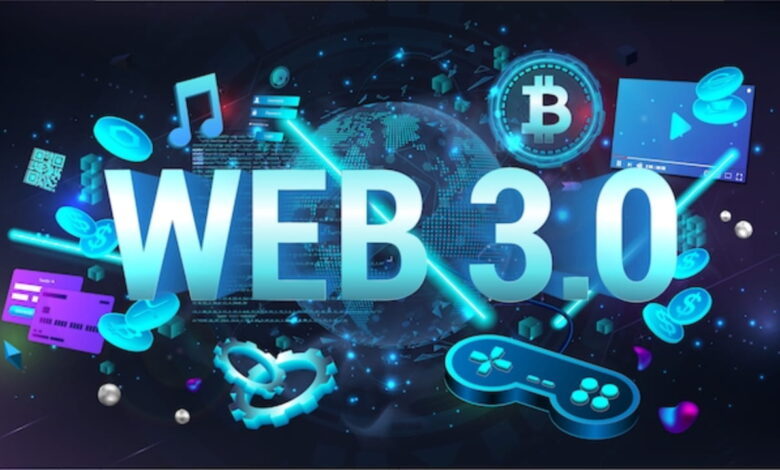
Web of tomorrow. Web 3.0, often referred to as the semantic web or the decentralised internet, represents the next evolutionary phase of online interaction where users regain control over their data, digital assets, and online identities. This shift isn’t merely theoretical—it’s backed by compelling statistics and adoption rates that demonstrate a genuine paradigm shift in how we interact with technology.
Web 3.0 statistics and facts have become essential for businesses, developers, investors, and everyday users who want to navigate this emerging digital frontier. Web 3.0 Statistics 2025: From cryptocurrency wallets to decentralised applications, the numbers tell a story of rapid growth, increasing adoption, and transformative potential. This comprehensive guide explores the current state of Web 3.0 through data-driven insights, examining its core features, user demographics, market trends, and the revolutionary technologies powering this new internet era.
Web 3.0: A Statistical Overview: Web 3.0 Statistics 2025
The concept of Web 3.0 has evolved from a futuristic vision to a tangible reality with measurable impact across global markets. Current estimates suggest that the global Web 3.0 market size reached approximately $3.2 billion in 2023 and is projected to grow at a compound annual growth rate of 43.7% through 2030. This exponential growth reflects increasing investor confidence and developer interest in building decentralised solutions.
Blockchain technology, the backbone of Web 3.0 infrastructure, has seen remarkable adoption rates. As of 2024, there are over 85 million blockchain wallet users worldwide, representing a 15% increase from the previous year. This user base spans across various platforms and protocols, indicating that decentralised technology is becoming mainstream rather than remaining a niche interest.
The venture capital investment landscape further validates this trend. In 2023 alone, Web 3.0 startups raised over $10 billion in funding despite broader economic headwinds affecting the technology sector. Major corporations, including Meta, Microsoft, and Google, have collectively invested billions in developing metaverse platforms and decentralised infrastructure, signalling institutional confidence in the Web 3.0 ecosystem.
Employment statistics reveal another dimension of growth. The demand for blockchain developers increased by 552% between 2020 and 2023, making it one of the fastest-growing job categories in the technology sector. This talent migration toward decentralised technologies suggests that Web 3.0 is creating substantial economic opportunities beyond speculative investment.
Key Features Driving Web 3.0 Adoption
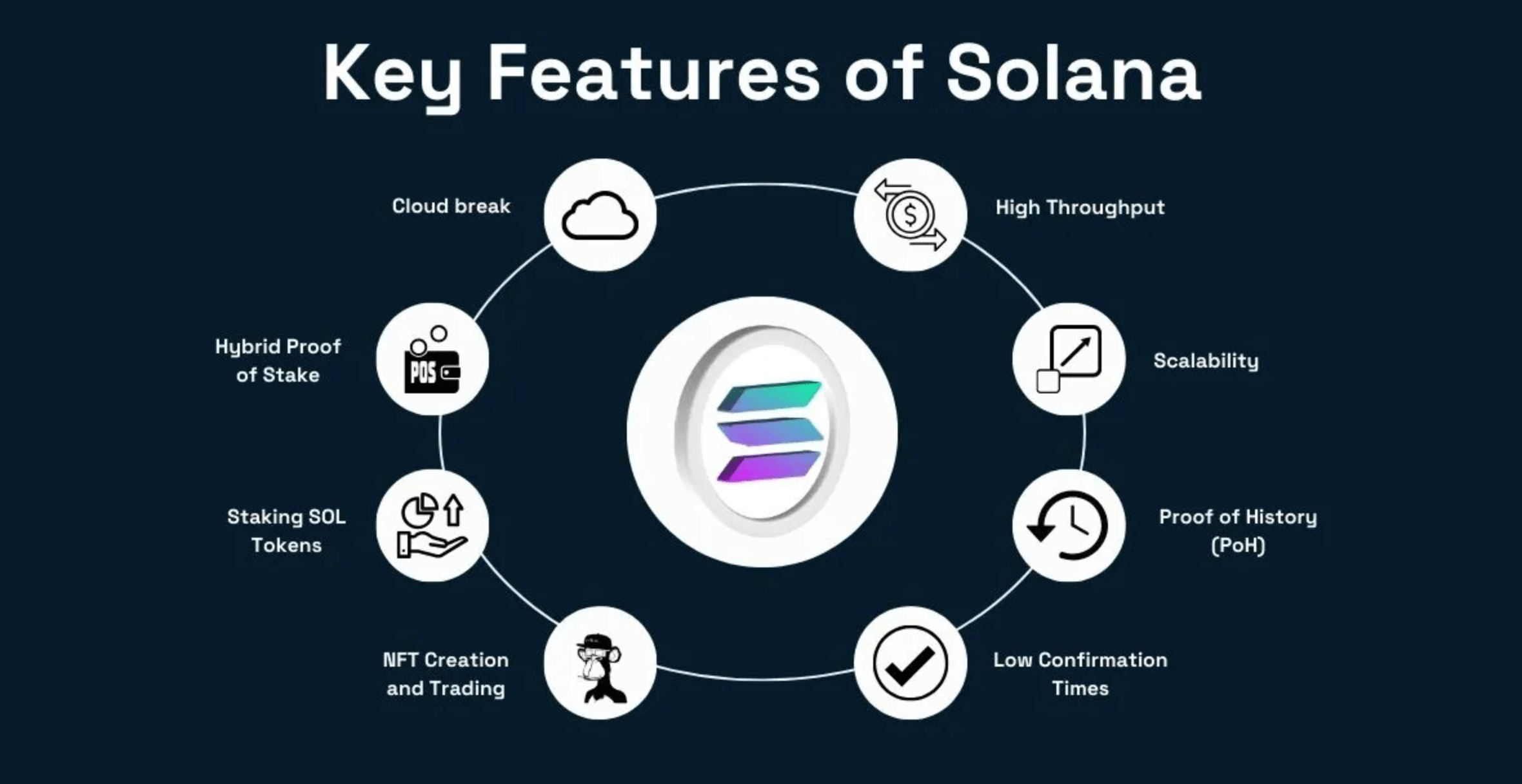
The technical architecture of Web 3.0 introduces several revolutionary features that distinguish it from its predecessors. Decentralisation stands as the cornerstone principle, distributing data across network nodes rather than storing it in centralised servers. This architectural shift has profound implications for data security, privacy, and user autonomy.
Smart contracts represent another transformative feature gaining widespread adoption. These self-executing agreements with terms directly written into code have processed over $11 trillion in transaction value across various blockchain networks since inception. The automation and trustless execution they provide eliminate intermediaries in countless transactions, from real estate transfers to insurance claims processing.
Interoperability between different blockchain networks has emerged as a critical feature for ecosystem growth. Cross-chain bridges processed over $14 billion in monthly transactions throughout 2024, enabling assets and data to move seamlessly between different protocols. This interconnected infrastructure creates a more cohesive user experience and expands the practical utility of decentralised applications.
Token-based economics fundamentally reshape how value is created and distributed online. There are currently over 23,000 different cryptocurrencies and tokens in circulation, each serving various functions from governance rights to utility within specific applications. This tokenisation extends beyond digital assets to include real-world items, with the global tokenized asset market expected to reach $16 trillion by 2030.
The integration of artificial intelligence with blockchain technology creates enhanced semantic capabilities. Machine learning algorithms can now interpret and process blockchain data with greater efficiency, enabling more sophisticated decentralised applications. Approximately 37% of Web 3.0 projects now incorporate AI elements, demonstrating the convergence of these transformative technologies.
Demographics and User Behaviour Patterns
Understanding who uses Web 3.0 technologies provides crucial insights into adoption trends and future growth trajectories. Current demographic data reveals that 67% of cryptocurrency owners fall within the 18-44 age range, with millennials and Generation Z representing the primary user base. This younger demographic brings digital fluency and openness to alternative financial systems.
Geographic distribution shows interesting patterns in Web 3.0 adoption. North America accounts for approximately 31% of global cryptocurrency ownership, followed by Europe at 27% and Asia at 24%. However, emerging markets demonstrate the highest growth rates, with African nations experiencing a 1,200% increase in cryptocurrency transaction volume between 2020 and 2023.
Gender demographics in the Web 3.0 space remain skewed but are gradually balancing. Current statistics indicate that approximately 34% of cryptocurrency holders identify as female, up from just 22% in 2020. This increasing diversity suggests that Web 3.0 technologies are becoming more accessible and appealing to broader demographics beyond the traditionally male-dominated technology sector.
Education levels among Web 3.0 users tend to be higher than the general population, with 58% holding bachelor’s degrees or higher. This correlation suggests that current adoption requires a certain threshold of technical understanding, though simplified interfaces are making participation more accessible to non-technical users.
Income brackets reveal diverse participation across economic strata. While 42% of cryptocurrency owners have annual household incomes exceeding $100,000, significant adoption exists among middle-income groups seeking alternative investment opportunities and financial services. This economic diversity challenges the perception that Web 3.0 is exclusively for wealthy technologists.
Market Trends and Investment Landscape
The decentralised finance sector, commonly known as DeFi, represents one of the most significant Web 3.0 applications by market value. Total value locked in DeFi protocols reached $120 billion in early 2024, despite experiencing volatility throughout previous market cycles. This capital represents genuine utility as users engage with lending, borrowing, and trading without traditional financial intermediaries.
Non-fungible tokens transformed digital ownership paradigms and generated substantial market activity. While 2021’s peak saw NFT trading volumes exceed $25 billion, the market has matured into a more sustainable $8 billion annual transaction volume focused on practical applications beyond speculative collectables. Gaming, digital identity, and intellectual property management now drive meaningful NFT adoption.
The metaverse concept, intimately connected with Web 3.0 infrastructure, attracts massive investment despite being in early developmental stages. Corporate spending on metaverse development exceeded $120 billion in 2023, with projections suggesting the market could reach $800 billion by 2028. Virtual real estate sales alone generated over $500 million in transaction value throughout 2023.
Decentralised autonomous organisations, or DAOs, represent a novel organisational structure enabled by Web 3.0 technologies. There are currently over 11,000 active DAOs managing approximately $25 billion in treasury assets. These entities demonstrate new models for collective decision-making and resource allocation without traditional corporate hierarchies.
Enterprise adoption of blockchain technology signals mainstream acceptance beyond consumer applications. Approximately 81% of Fortune 500 companies now engage with blockchain technology in some capacity, whether through supply chain management, digital identity solutions, or experimental Web 3.0 initiatives. This institutional validation provides legitimacy and accelerates broader adoption.
Challenges and Adoption Barriers
Despite impressive growth statistics, Web 3.0 faces significant obstacles that influence adoption rates. User experience complexity remains a primary barrier, with research indicating that 76% of potential users find current decentralised applications too difficult to navigate. Wallet management, private key security, and gas fee calculations create friction that discourages mainstream participation.
Regulatory uncertainty significantly impacts Web 3.0 development and adoption patterns. Over 60% of blockchain companies cite regulatory compliance as their primary operational challenge. Different jurisdictions approach Web 3.0 technologies with varying degrees of acceptance, creating a fragmented global landscape that complicates international projects.
Scalability concerns persist across major blockchain networks. Ethereum, the dominant smart contract platform, processes approximately 15 transactions per second compared to traditional payment networks handling thousands. Layer-2 solutions and alternative protocols address these limitations, but fragmentation creates additional complexity for users and developers.
Environmental considerations have prompted important discussions about blockchain sustainability. Bitcoin mining alone consumes approximately 150 terawatt-hours of electricity annually, equivalent to Argentina’s entire energy consumption. However, the transition to proof-of-stake consensus mechanisms and renewable energy adoption is addressing these concerns, with 58% of Bitcoin mining now powered by sustainable sources.
Security vulnerabilities in smart contracts have resulted in significant financial losses. Approximately $3.8 billion was lost to hacks and exploits across Web 3.0 platforms in 2023, highlighting the importance of robust security auditing and improved development practices. These incidents, while concerning, have accelerated the maturation of security standards within the ecosystem.
The Future Trajectory of Web 3.0
Projection models suggest that Web 3.0 technologies will achieve mainstream adoption within the next decade as technical barriers diminish and practical applications multiply. Estimates indicate that by 2030, over 1 billion people will actively use blockchain-based services, representing approximately 12% of the global population. This adoption curve mirrors the early Internet era’s growth trajectory.
Integration with existing internet infrastructure will accelerate adoption through hybrid models that combine Web 2.0’s user-friendly interfaces with Web 3.0’s decentralised backend systems. Major web browsers are already implementing native cryptocurrency wallet functionality, with over 140 million users accessing Web 3.0 features through browser extensions and integrated tools.
The evolution of identity management through decentralised systems promises to revolutionise online authentication. Self-sovereign identity solutions could reach 200 million users by 2027, enabling individuals to control their personal data while maintaining privacy across multiple platforms. This shift addresses growing concerns about data exploitation by centralised platforms.
Tokenisation of traditional assets will expand Web 3.0’s relevance beyond digital-native applications. Real estate, commodities, stocks, and bonds are increasingly being represented as blockchain tokens, with the tokenised securities market projected to exceed $4 trillion by 2030. This bridging of traditional and decentralised finance creates new liquidity and accessibility.
The convergence of Web 3.0 with emerging technologies like quantum computing, advanced AI, and the Internet of Things will create unprecedented capabilities. These synergies will enable new applications that fundamentally reshape industries from healthcare to education, manufacturing to governance, establishing Web 3.0 as the foundational infrastructure for future digital society.
Conclusion
Web 3.0 statistics and facts paint a picture of an internet revolution well underway, characterised by rapid growth, increasing investment, and expanding user adoption across diverse demographics. The numbers demonstrate that decentralised technologies have moved beyond experimental phases into practical applications, generating real economic value and solving genuine problems. From the 85 million blockchain wallet users to the $120 billion locked in DeFi protocols, these metrics validate the transformative potential of the semantic web.
While challenges related to user experience, scalability, and regulation persist, the trajectory remains unmistakably upward. The convergence of blockchain, artificial intelligence, and tokenisation creates a more open, transparent, and user-centric internet that returns control to individuals rather than platforms. As these technologies mature and interfaces simplify, Web 3.0 adoption will accelerate, potentially reaching over 1 billion users by 2030.
Understanding these statistics, features, and demographics equips stakeholders with the knowledge necessary to navigate this evolving landscape. Whether you’re a business leader considering blockchain integration, a developer exploring career opportunities, or an individual user curious about decentralised alternatives, the data clearly indicates that Web 3.0 represents not just a technological shift but a fundamental reimagining of our digital future. The question is no longer whether Web 3.0 will reshape the internet, but how quickly this transformation will unfold and what role each of us will play in building this decentralised future.
FAQs
Q: What is the current market size of Web 3.0?
The global Web 3.0 market reached approximately $3.2 billion in 2023 and is projected to grow at a compound annual growth rate of 43.7% through 2030. This growth encompasses various sectors, including decentralised finance, NFTs, metaverse platforms, and blockchain infrastructure. Investment in Web 3.0 startups exceeded $10 billion in 2023 alone, demonstrating significant confidence from venture capital firms despite broader economic challenges.
Q: How many people currently use Web 3.0 technologies?
As of 2024, there are over 85 million blockchain wallet users worldwide, representing the core Web 3.0 user base. This number has grown consistently at approximately 15% annually, indicating steady mainstream adoption. When considering broader engagement, including NFT ownership, DeFi participation, and metaverse interaction, the user base expands to over 420 million individuals who have interacted with Web 3.0 technologies in some capacity.
Q: What are the main barriers preventing Web 3.0 adoption?
The primary obstacles to widespread Web 3.0 adoption include user experience complexity, with 76% of potential users finding decentralised applications difficult to navigate. Regulatory uncertainty affects 60% of blockchain companies, creating compliance challenges across different jurisdictions. Scalability limitations, particularly transaction speed and cost on major networks, discourage everyday use for small transactions. Security concerns stemming from smart contract vulnerabilities have resulted in billions in losses, creating trust issues.
Q: Which industries are most impacted by Web 3.0 technologies?
Financial services lead Web 3.0 adoption, with decentralised finance platforms managing over $120 billion in total value locked. Gaming and entertainment follow closely, with blockchain games attracting millions of daily active users and NFTs transforming digital ownership. Supply chain and logistics industries utilise blockchain for transparency and tracking, with 81% of Fortune 500 companies experimenting with blockchain applications. Healthcare organisations explore decentralised identity and secure medical record management.
Q: How does Web 3.0 differ from previous internet versions?
Web 1.0 represented the read-only internet with static websites and limited interaction, while Web 2.0 introduced user-generated content and social platforms controlled by centralised corporations. Web 3.0 fundamentally differs through decentralisation, distributing data across networks rather than central servers, giving users ownership and control over their information. Smart contracts enable trustless transactions without intermediaries, and tokenisation creates new economic models for value exchange.