NFT Casino Memberships The Future of Digital Gaming Access
Discover how NFT Casino Memberships with blockchain technology, exclusive perks, and secure digital ownership for players.
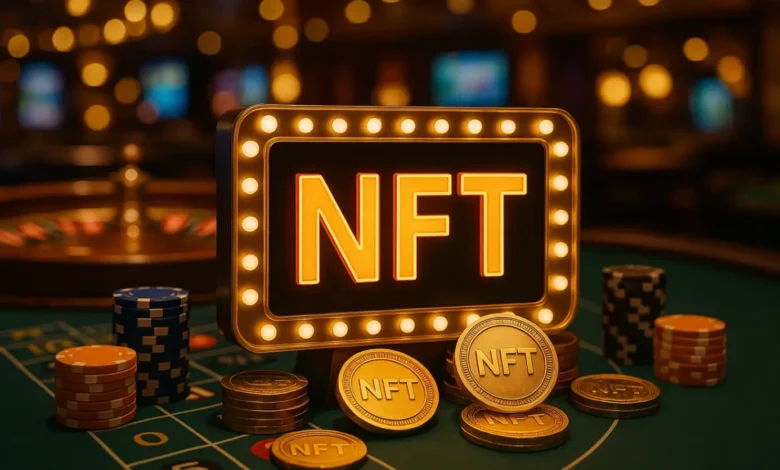
NFT-based access and casino memberships are emerging as a revolutionary approach to how players engage with gaming platforms. NFT Casino Memberships: This innovative model combines the security and transparency of blockchain technology with the exclusivity and benefits traditionally associated with premium casino memberships, creating a new paradigm in the gambling industry.
Non-fungible tokens, or NFTs, have transcended their initial association with digital art and collectables to become powerful tools for access control and membership verification. In the casino sector, these unique digital assets are transforming how establishments manage player relationships, distribute rewards, and create tiered membership structures. Unlike traditional membership cards or digital accounts that can be easily replicated or hacked, NFT memberships provide verifiable proof of ownership and access rights that are secured by blockchain technology.
The adoption of NFT-based membership systems represents more than just a technological upgrade. It signals a fundamental shift toward player empowerment, true digital ownership, and transparent reward structures. As casinos increasingly operate in digital spaces, the need for secure, transferable, and programmable membership credentials has never been more critical. This comprehensive exploration examines how NFTs are reshaping casino memberships and what this means for the future of the gaming industry.
NFT Technology: NFT Casino Memberships
Blockchain-based casino memberships operate on a fundamentally different principle than traditional access systems. When a player acquires an NFT membership, they receive a unique digital token that exists on a blockchain network. This token contains metadata that defines the holder’s access rights, membership tier, accumulated benefits, and unique identifier. The blockchain serves as an immutable ledger that records all transactions and interactions associated with that membership, creating a transparent and tamper-proof history.
The technical architecture behind NFT casino memberships typically involves smart contracts, which are self-executing programs stored on the blockchain. These smart contracts automatically enforce the terms and conditions of the membership, distribute rewards based on predetermined criteria, and manage access permissions without requiring centralised oversight. When a player wants to access exclusive games, tournaments, or VIP lounges, the system verifies their NFT ownership automatically, eliminating the need for manual checks or centralised databases that could be compromised.
One of the most significant advantages of this technology is interoperability. Unlike traditional memberships that are locked to a single casino or gaming platform, NFT access tokens can potentially be recognised across multiple venues within a gaming network. This creates opportunities for partnerships between casinos, where a premium NFT membership at one establishment might grant benefits or recognition at affiliated properties. The standardised nature of blockchain protocols makes this cross-platform functionality technically feasible and increasingly attractive to operators seeking to expand their networks.
The Evolution of Casino Membership Programs
Traditional casino loyalty programs have relied on point-based systems, tiered memberships, and physical or digital cards to track player activity and distribute rewards. While these systems have served the industry for decades, they suffer from several inherent limitations. Players have no real ownership of their accumulated points or status, casino operators maintain complete control over reward structures and can modify terms unilaterally, and transferring or trading membership benefits is typically impossible or explicitly prohibited.
The introduction of NFT-based membership cards addresses these limitations by giving players genuine ownership of their membership credentials. When a player holds an NFT membership, they possess a tradeable digital asset that exists independently of any single casino’s database. This ownership model creates several compelling advantages: members can sell or transfer their status to other players, accumulated benefits are verifiable on the blockchain, and membership value can appreciate based on rarity and associated perks.
Historical data shows that casino loyalty programs generate significant player engagement when designed effectively. According to industry research, members of casino rewards programs account for a disproportionate share of gaming revenue despite representing a minority of total visitors. By enhancing these programs with blockchain technology and NFT ownership, casinos can deepen player loyalty while attracting a new demographic of crypto-savvy customers who value digital ownership and transparency.
Exclusive Benefits and Tiered Access Systems
NFT casino access enables sophisticated tiered membership structures that automatically adjust based on player behaviour, token rarity, and market conditions. Casinos can issue different classes of NFTs, each representing a distinct membership level with its own set of privileges. A bronze-tier NFT might provide basic benefits like faster withdrawals and entry to weekly tournaments, while platinum-tier tokens could unlock personal account managers, invitations to exclusive live events, and significantly enhanced reward multipliers.
The programmable nature of NFTs allows for dynamic benefit structures that evolve. Smart contracts can be designed to automatically upgrade a player’s membership tier when they reach certain milestones, such as wagering thresholds or time-based achievements. Conversely, inactive members might see their benefits adjust downward, creating incentives for continued engagement. This automated tier management reduces administrative overhead for casinos while providing transparent, predictable progression paths for players.
Some innovative casinos are experimenting with NFTs that grant access to exclusive game variants, early participation in new game launches, or voting rights on casino development decisions. These governance features, borrowed from decentralised autonomous organisations, give premium members a voice in shaping the casino’s future direction. Players holding governance NFTs might vote on which new games to add, how to structure tournament prizes, or even aesthetic choices regarding the platform’s design. This participatory approach creates stronger community bonds and transforms passive players into active stakeholders.
Security and Verification Advantages
The security benefits of blockchain casino memberships extend far beyond simple access control. Traditional casino accounts are vulnerable to various attacks, including credential stuffing, phishing, account takeovers, and insider threats from employees with database access. When membership is verified through NFT ownership, these attack vectors are significantly reduced. To access premium features, a player must prove they control the wallet containing the membership NFT, which requires cryptographic proof rather than easily compromised passwords.
NFT verification systems can implement multi-signature authentication, where access to high-value features requires approval from multiple sources. For instance, a whale player’s NFT membership might require confirmation from both their personal wallet and a hardware security device before authorising large withdrawals or accessing private gaming rooms. This multi-layered security approach provides peace of mind for both players and operators managing substantial sums.
The transparency of blockchain technology also enhances audit capabilities and regulatory compliance. Gaming regulators can verify that casinos are honouring the terms of their membership programs without requiring access to proprietary databases. Every reward distribution, tier upgrade, and benefit claim is recorded immutably on the blockchain, creating a complete audit trail. This transparency builds trust with both players and regulatory bodies, potentially easing compliance burdens in jurisdictions with strict gaming oversight.
Secondary Markets and Membership Liquidity
One of the most transformative aspects of NFT-based casino access is the emergence of secondary markets where memberships can be bought, sold, and traded freely. Players who have accumulated significant status at a particular casino but wish to stop playing can now monetise their invested time and loyalty by selling their membership NFT to another player. This liquidity transforms casino memberships from sunk costs into genuine assets with market-determined value.
The secondary market dynamics create interesting economic incentives. Rare or prestigious membership NFTs from popular casinos can appreciate significantly in value, especially if they grant access to exclusive benefits or represent historical significance. Early adopters who secured membership NFTs during initial offerings might find their tokens worth substantially more than the original purchase price, particularly if the casino has grown in popularity or added valuable new benefits.
Casinos benefit from secondary market activity through royalty structures embedded in NFT smart contracts. When a membership NFT is resold on a secondary market, the smart contract can automatically direct a percentage of the sale price back to the casino operator. This creates an ongoing revenue stream from membership appreciation and incentivises casinos to continuously enhance the value of their NFT memberships through improved benefits and experiences.
Integration with Cryptocurrency Gaming Ecosystems

The natural synergy between NFT memberships and cryptocurrency gaming creates opportunities for seamless integration across the broader blockchain gaming ecosystem. Players holding membership NFTs often use cryptocurrency wallets for transaction management, which allows casinos to accept deposits, process withdrawals, and distribute rewards in digital currencies without relying on traditional banking infrastructure. This integration reduces transaction costs, accelerates payment processing, and enables instant global accessibility.
Some forward-thinking casino operators are creating comprehensive gaming metaverses where NFT memberships grant access to multiple experiences beyond traditional casino games. These digital environments might include virtual poker rooms where members gather as avatars, immersive slot machine experiences with 3D graphics, social spaces for interaction between players, and even virtual sporting events with betting opportunities. The membership NFT becomes a passport to this entire ecosystem rather than simple access to a gaming website.
Cross-platform partnerships are becoming increasingly common as casinos recognise the value of network effects. A player’s membership NFT might grant benefits at multiple casinos within a gaming alliance, creating incentives to hold these tokens long-term. These partnerships can also extend beyond traditional casinos to include sports betting platforms, online poker networks, and other gambling-adjacent services. The interoperability of blockchain technology makes these complex arrangements technically feasible and economically attractive.
Regulatory Considerations and Compliance Challenges
The implementation of blockchain-based casino memberships occurs within complex regulatory environments that vary significantly across jurisdictions. Gaming regulators are still developing frameworks for evaluating NFT-based systems, and operators must navigate this evolving landscape carefully. Key concerns include verifying player identity and age when membership is associated with pseudonymous wallet addresses, ensuring responsible gambling protections remain effective, preventing money laundering through NFT trading, and maintaining data privacy while leveraging blockchain transparency.
Progressive gaming jurisdictions are beginning to establish specific guidelines for NFT integration in licensed gaming operations. These frameworks typically require casinos to implement know-your-customer protocols that link wallet addresses to verified identities, maintain controls over NFT minting and distribution, establish clear terms regarding membership NFT transferability, and provide mechanisms for regulators to monitor compliance. Casinos operating in multiple jurisdictions must design their NFT systems with sufficient flexibility to accommodate varying regulatory requirements.
The question of whether membership NFTs constitute securities under existing financial regulations adds another layer of complexity. If an NFT membership is marketed primarily as an investment with expected appreciation rather than as access to gaming services, regulators might classify it as a security subject to additional disclosure requirements and restrictions. Casino operators must carefully structure their NFT offerings and marketing to emphasise the utility and access benefits while managing expectations regarding investment returns.
Future Developments and Industry Trends
The trajectory of NFT-based access in the casino industry points toward increasingly sophisticated implementations that blur the lines between gaming, entertainment, and digital ownership. Emerging trends include dynamic NFTs that change appearance or attributes based on player achievements, fractional ownership models where players can purchase shares of high-value membership NFTs, augmented reality integration for enhanced gaming experiences, and artificial intelligence systems that personalise benefits based on individual player preferences.
The concept of “soulbound tokens,” which are NFTs that cannot be transferred or sold, presents interesting possibilities for casino loyalty programs. These non-transferable NFTs could represent achievements, milestones, or reputation markers that follow a player throughout their gaming journey while remaining permanently associated with their identity. Combined with transferable membership NFTs, this creates a rich ecosystem of digital credentials that reflect both owned assets and personal accomplishments.
As virtual reality and metaverse technologies mature, NFT casino memberships will likely evolve to become access keys for immersive three-dimensional gaming environments. Imagine stepping into a virtual casino wearing a VR headset, with your membership NFT automatically recognized and your avatar adorned with visual indicators of your VIP status. Fellow players could see your achievements and tier level, creating social dynamics that mirror physical casino experiences while leveraging the unique capabilities of digital spaces.
Conclusion
The integration of NFT technology into casino membership programs represents a significant evolution in how gaming establishments manage player relationships and create value for their customers. By providing true digital ownership, transparent reward structures, enhanced security, and unprecedented flexibility, NFT-based access and casino memberships are setting new standards for the industry. Players benefit from genuine asset ownership, the ability to monetize accumulated status, and access to innovative gaming experiences. Casinos gain more engaged communities, additional revenue streams, and powerful tools for differentiation in a competitive market.
As blockchain technology continues to mature and regulatory frameworks adapt to these innovations, the adoption of NFT memberships is likely to accelerate. The casinos that successfully implement these systems while maintaining focus on player experience, security, and regulatory compliance will position themselves at the forefront of the industry’s digital transformation. For players seeking enhanced engagement, transparent rewards, and true ownership of their gaming credentials, NFT-based memberships offer compelling advantages over traditional loyalty programs.
The future of casino memberships is being written on the blockchain, and the opportunities for innovation are virtually limitless. Whether through secondary market liquidity, cross-platform interoperability, or integration with broader gaming ecosystems, NFT technology is fundamentally reshaping what it means to be a casino member in the digital age.
FAQs
Q: What exactly is an NFT casino membership, and how does it work?
An NFT casino membership is a unique digital token stored on a blockchain that grants the holder access to specific features, benefits, and privileges at a casino. When you own this NFT in your cryptocurrency wallet, the casino’s system can verify your membership status automatically through blockchain technology. The NFT contains information about your membership tier, associated benefits, and unique identifier, all secured through cryptographic proof that cannot be forged or duplicated.
Q: Can I sell or transfer my NFT casino membership to another player?
Yes, one of the primary advantages of NFT-based memberships is their transferability. Unlike traditional casino loyalty programs, where your status and points are locked to your account, an NFT membership can typically be sold or transferred to another player through blockchain transactions. The new owner assumes all benefits and privileges associated with that membership tier. However, some casinos may implement restrictions or require identity verification from the new holder for regulatory compliance purposes.
Q: Are NFT casino memberships legal and regulated?
The legality of NFT casino memberships depends on your jurisdiction and how the specific program is structured. In regulated gaming markets, casinos must obtain proper licensing and ensure their NFT implementations comply with existing gaming laws. Reputable operators work closely with regulators to design compliant systems that meet know-your-customer requirements and responsible gambling standards. Players should verify that any casino offering NFT memberships holds appropriate licenses in their jurisdiction before participating.
Q: What happens to my NFT membership if the casino closes or stops operating?
This is an important consideration when purchasing casino membership NFTs. The value and utility of these tokens are directly tied to the casino’s continued operation. If a casino ceases operations, the membership benefits would no longer be accessible, though you would still technically own the NFT token itself. Some casino networks are exploring models where memberships grant benefits across multiple properties, which provides additional security. Always research the casino’s reputation, financial stability, and network affiliations before investing significantly in membership NFTs.
Q: How do I get started with an NFT casino membership?
To begin, you’ll need a cryptocurrency wallet that supports the blockchain network where the casino’s NFTs are issued (commonly Ethereum, Polygon, or Binance Smart Chain). After setting up your wallet, visit the casino’s NFT marketplace or membership page where you can purchase or mint a membership NFT. The process typically involves connecting your wallet to the casino’s platform, selecting your desired membership tier, and completing the transaction using cryptocurrency. Once the NFT is in your wallet, the casino’s system will automatically recognise your membership status when you connect your wallet to play.