Hong Kong Blockchain Cargo Data Fuels Cross-Border Finance
Hong Kong's trade initiative Blockchain Cargo Data Fuels powerful cross-border finance rails, reshaping global supply chain lending.
For decades, the world of international trade has operated on a paradox: vast quantities of goods move across borders every day, supported by mountains of documentation, yet the financial systems underpinning that trade remain slow, fragmented, and largely inaccessible to smaller participants. Hong Kong — long established as Asia’s premier trade and financial hub — is now at the center of a bold effort to change that. A landmark Blockchain trade finance initiative is transforming raw cargo data into actionable financial intelligence, building an entirely new layer of cross-border finance rails that could redefine how importers, exporters, freight forwarders, and banks interact.
The initiative, which brings together regulators, financial institutions, logistics operators, and technology providers, leverages the immutability and transparency of distributed ledger technology to create a verified, real-time record of cargo movements. That verified data is then used as collateral or proof of transaction activity to unlock credit, working capital, Blockchain Cargo Data Fuels: and other financial services — often within hours rather than weeks. In a region where trade finance gaps run into the hundreds of billions of dollars annually, this is not a marginal improvement. It is a structural shift.
This article explores how Hong Kong’s blockchain cargo data initiative works, why it matters for the global supply chain finance ecosystem, what it means for banks and fintech firms, and how it could eventually serve as a template for other trade corridors around the world.
How the Initiative Works: Blockchain Cargo Data Fuels
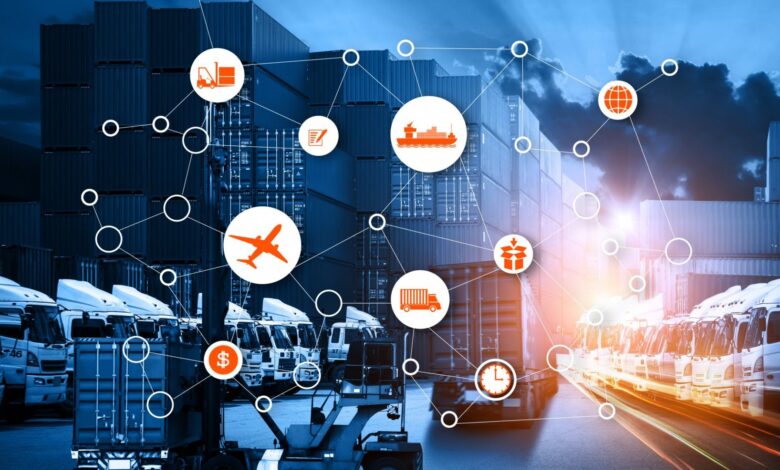
At the operational core of this initiative is the integration of Internet of Things sensors, customs authority data feeds, and port community systems into a permissioned blockchain network. Every significant event in a shipment’s lifecycle — from the moment a container is stuffed at a warehouse to the moment it clears customs at its destination port — generates a data record that is cryptographically signed and written to the ledger.
Connecting Logistics Data to Financial Workflows
What makes this initiative more than a glorified tracking system is the financial layer built on top of the cargo data. Smart contracts — self-executing programs that live on the blockchain — are programmed to monitor cargo events and trigger financial actions when predefined conditions are met. When a verified bill of lading is issued and matched with a confirmed customs export declaration, for example, a smart contract can automatically initiate a pre-shipment finance drawdown, releasing funds to the exporter without any manual intervention by a bank officer.
This connection between logistics data and financial workflows is the heart of the innovation. It transforms cargo data from a passive record-keeping tool into an active financial instrument. The shipping container, in effect, becomes collateral that talks — broadcasting its location, condition, and custody status to any authorized party on the network in real time.
The Role of Hong Kong’s Financial Regulators
The Hong Kong Monetary Authority (HKMA) has played a pivotal role in enabling this initiative by providing regulatory clarity around the legal status of blockchain-based trade documents and by facilitating participation from licensed banks. Without regulatory backing, financial institutions’ willingness to rely on ledger data for credit decisions would be severely limited. The HKMA’s Project mBridge and related digital infrastructure work have created a fertile environment in which tokenized trade documents and on-chain cargo data can be used as the basis for real financial transactions.
The involvement of regulators has also helped address concerns around data privacy and sovereignty, which are particularly sensitive in cross-border contexts involving mainland Chinese cargo. By establishing clear rules about what data can be shared, with whom, and under what conditions, the regulatory framework transforms a technically possible system into a commercially viable one.
The Cross-Border Dimension: Building Finance Rails Between Asia and the World
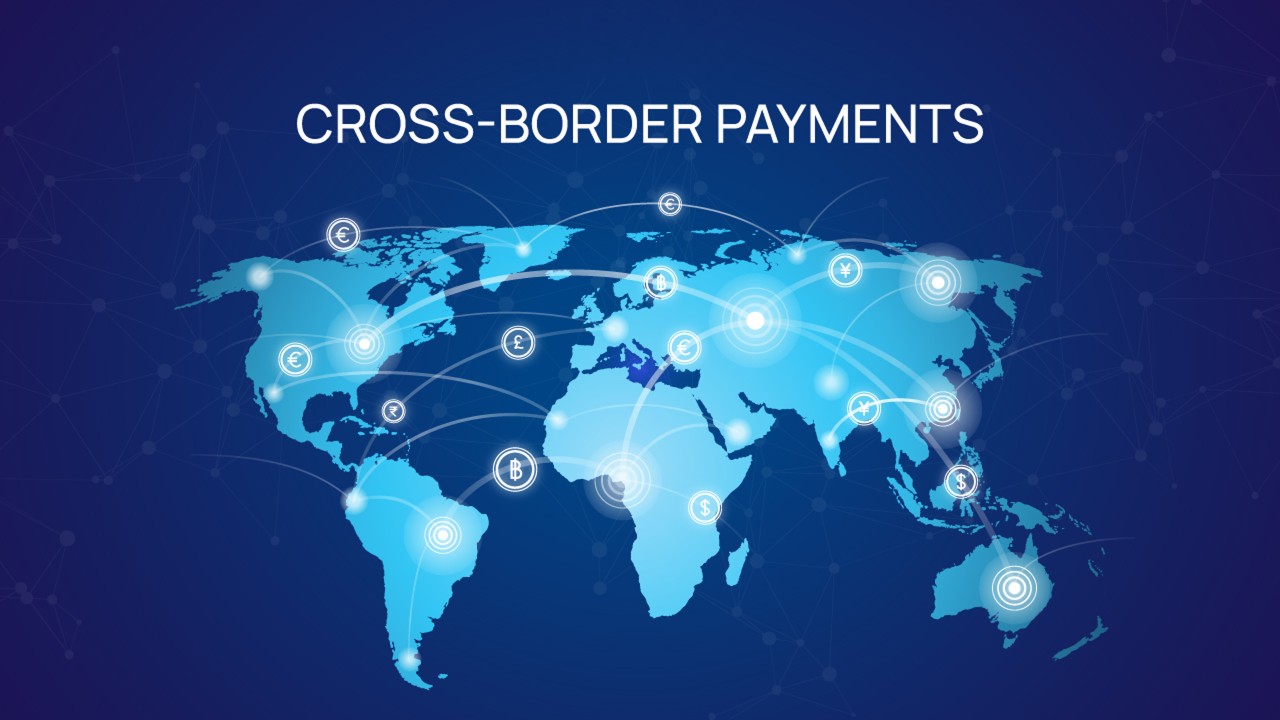
Hong Kong’s geographic and financial position make it uniquely suited to serve as the anchor node for cross-border trade finance infrastructure. It sits at the junction of mainland Chinese manufacturing, Southeast Asian supply chains, and global shipping routes. More than 20% of the world’s container shipping passes through or connects with the Pearl River Delta — a trade volume that generates enormous demand for financing at every point along the chain.
The Problem That Blockchain Is Solving in Trade Finance
Trade finance has always suffered from a profound information asymmetry. A manufacturer in Shenzhen ships goods to a retailer in Rotterdam. The bank financing the transaction has limited visibility into whether the cargo actually exists, has been loaded, and will arrive on time. This opacity creates risk, and risk creates friction — in the form of high collateral requirements, lengthy due diligence processes, and steep borrowing costs for companies that lack the credit history of large multinationals.
Documentary fraud is another persistent problem. Letters of credit and bills of lading — the cornerstones of traditional trade finance — are paper-based instruments that have been forged, duplicated, and manipulated for as long as international trade has existed. Even as these documents have moved to digital formats, the underlying verification problem remains unsolved. Multiple banks have been caught financing the same cargo under different documents, sometimes losing hundreds of millions of dollars in a single incident.
This is the environment into which Hong Kong’s blockchain-powered cargo data platform arrives. By anchoring cargo events — container booking, customs clearance, port departure, vessel tracking, destination arrival — onto a shared distributed ledger, the initiative creates a single source of truth that all participants can interrogate without trusting any single counterparty. Banks no longer have to take a trading company’s word for the existence and condition of goods. They can query the ledger directly.
Connecting with Mainland China’s Digital Trade Infrastructure
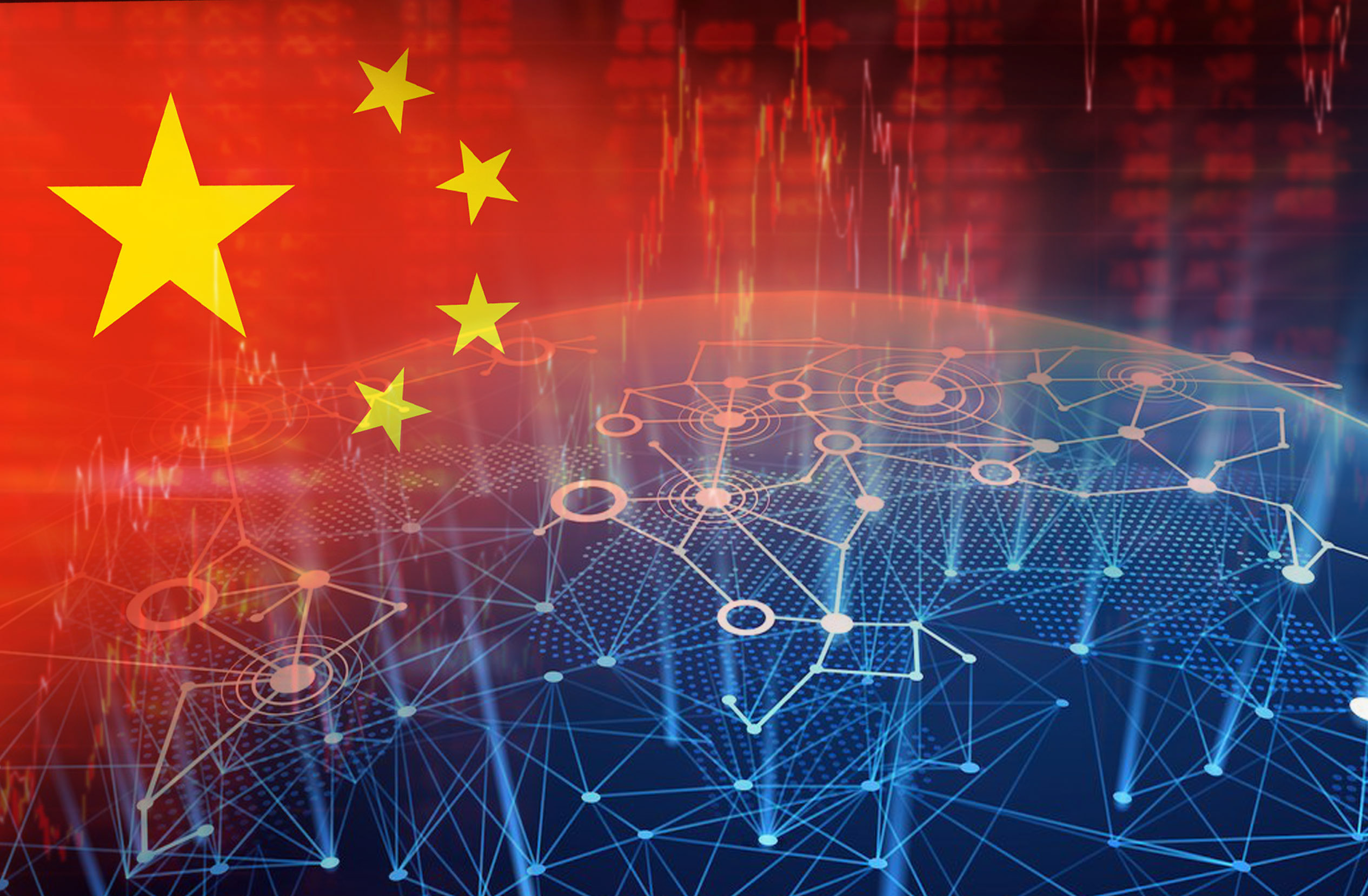
One of the most consequential aspects of the initiative is its integration with China’s digitalization platforms for cross-border trade, including the Single Window systems operated by Chinese customs authorities. By establishing data-sharing protocols between Hong Kong’s blockchain platform and mainland systems, the initiative enables financial institutions in Hong Kong to verify the authenticity of export transactions originating in Guangdong province and elsewhere with a degree of confidence that was previously impossible.
This connectivity is opening up new possibilities for cross-border supply chain lending, where a Hong Kong bank can extend credit to a Chinese supplier based on verified export data flowing through both jurisdictions’ digital trade infrastructure. The result is a significant reduction in the trade finance gap for small and medium-sized enterprises that previously lacked the collateral or credit history to access affordable financing.
Extending the Rails to Southeast Asia and Beyond
The initiative’s ambition extends beyond the Greater Bay Area. Hong Kong’s financial institutions and trade tech firms are actively working to extend interoperability to ASEAN trade corridors, connecting with digital trade platforms in Singapore, Thailand, Vietnam, and Indonesia. Each new corridor that joins the network multiplies its value, because every additional verified cargo data stream gives banks more confidence to extend financing across more routes and to more types of borrowers.
The concept of finance rails — borrowed from the payments world — is apt here. Just as payment rails provide the plumbing through which money moves between banks and countries, cargo-backed finance rails provide the plumbing through which trade credit flows between buyers, sellers, and financial intermediaries. Building those rails on a foundation of verified, tamper-resistant blockchain cargo data makes them dramatically more trustworthy than anything that existed before.
Impact on Banks, Fintechs, and SMEs
The financial industry implications of this initiative are significant and multifaceted. For large trade finance banks, the platform offers a path to meaningful cost reduction: automating document verification, reducing due diligence cycle times, and cutting the risk of fraud losses. Industry estimates suggest that the manual processing of trade finance documents costs the global banking industry tens of billions of dollars annually. Blockchain automation of even a fraction of that workflow represents a compelling business case.
Fintech Firms Entering the Trade Finance Space
For fintech companies, the availability of verified cargo data as input for credit decisioning opens up previously inaccessible lending models. A fintech firm can now build a data-driven underwriting engine that assesses the creditworthiness of a trading company not primarily on the basis of its balance sheet, but on the consistency, volume, and reliability of its verified cargo history. This is a form of behavioral credit scoring applied to trade flows, and it has the potential to dramatically expand access to affordable trade finance for businesses underserved by traditional banks.
SME Access to Working Capital
Perhaps the most socially significant impact is on small and medium-sized enterprises. SMEs represent the vast majority of companies involved in international trade, Blockchain Cargo Data Fuels: yet they face the greatest barriers to accessing trade finance. They lack the credit ratings, audited financial histories, and collateral that large corporations can offer banks as reassurance. Blockchain Cargo Data Fuels: The blockchain cargo data platform, at least partially, levels the playing field by giving SMEs a credible way to demonstrate their trading activity to potential lenders.
A small Hong Kong garment Blockchain Cargo Data Fuels: exporter with three years of verified shipping records on the blockchain is in a fundamentally different position when approaching a bank for a purchase order finance facility than the same exporter with nothing but paper invoices and a handshake relationship with a freight forwarder. Blockchain Cargo Data Fuels: The data becomes a form of reputational collateral — and in a world where the biggest barrier to Blockchain Cargo Data Fuels: SME lending is information asymmetry, that is enormously valuable.
Challenges and the blockchain platforms
Despite the clear promise of this initiative, Blockchain Cargo Data Fuels: significant challenges remain. Interoperability between different blockchain platforms is one of the most pressing technical issues. The trade finance industry has seen a proliferation of competing distributed ledger initiatives — from the now-defunct TradeLens to the Marco Blockchain Cargo Data Fuels: Polo Network to various national digital trade corridors — and the lack of common standards makes it difficult to achieve the network effects needed to make any single platform truly transformative.
Legal recognition of blockchain-based trade documents across multiple jurisdictions is another ongoing challenge. While Hong Kong has made progress in this area, many of its trading partners have not yet established clear legal frameworks for electronic bills of lading and other digitized trade instruments. Until a cargo data record on a Hong Kong blockchain is recognized as legally valid evidence of a transaction in all relevant jurisdictions, its utility as collateral is limited.
Governance and trust between competitors is a third challenge. Banks that compete fiercely for trade finance mandates are being asked to share data and infrastructure on a common platform. Designing governance structures that are genuinely neutral — and perceived as such — requires careful institutional architecture and ongoing stakeholder management.
Conclusion
Hong Kong’s initiative to transform blockchain cargo data into cross-border finance rails represents one of the most ambitious and practically grounded applications of distributed ledger technology in the financial world today. Blockchain Cargo Data Fuels: By connecting the physical reality of goods in transit with the digital machinery of modern finance, it is closing the information gap that has long made trade finance expensive, slow, and inaccessible for many of the businesses that need it most.
The potential benefits — faster credit decisions, reduced fraud, expanded SME access, and lower operational costs for banks — are real and substantial. Blockchain Cargo Data Fuels: The challenges around interoperability, legal recognition, and governance are equally real, but they are the kinds of challenges that determined institutions, supported by forward-thinking regulators, can solve over time.
As the initiative matures and its cross-border finance rails extend to more trade corridors, Hong Kong has the opportunity to cement its position not just as a financial center for the past, but as the architect of trade finance infrastructure for the decades ahead. Blockchain Cargo Data Fuels: The container ship, it turns out, carries more than goods. In the blockchain era, Blockchain Cargo Data Fuels: it carries data, and, when properly harnessed, that data has the potential to transform global commerce.
FAQs
Q: What is Hong Kong’s blockchain trade finance initiative, and who is behind it?
Hong Kong’s blockchain trade finance initiative is a collaborative effort involving the Hong Kong Monetary Authority, major commercial banks, logistics operators, and fintech firms. Its goal is to use distributed ledger technology to create verified, real-time cargo data that can serve as the basis for extending cross-border trade finance more efficiently and securely than traditional paper-based systems allow.
Q: How does blockchain cargo data reduce the risk of trade finance fraud?
Traditional trade finance fraud often involves forging or duplicating paper documents, such as bills of lading, to finance the same cargo multiple times. Because blockchain records are cryptographically immutable and simultaneously visible to all authorized participants, it becomes practically impossible to present the same cargo data to different lenders without detection. This shared single source of truth is one of the most powerful fraud-prevention features of the technology.
Q: Can small and medium-sized enterprises actually benefit from this platform, or is it primarily for large corporates?
One of the explicit goals of the initiative is to expand SME access to trade finance. By allowing smaller trading companies to build a verified on-chain record of their cargo history, the platform gives them a form of data-backed credibility they can present to lenders. Over time, this is expected to reduce the reliance on balance sheet collateral and credit ratings — the traditional gatekeepers that have excluded many SMEs from affordable trade finance.
Q: How does the platform handle data privacy, especially for cross-border transactions involving sensitive commercial information?
The platform uses a permissioned blockchain architecture, meaning that access to data is controlled and only authorized participants can view specific records. Regulatory frameworks established by the HKMA and its counterparts provide guidance on what data can be shared across borders and under what conditions. Shippers and trading companies retain control over who can access their cargo data, addressing the core data sovereignty concerns that would otherwise limit participation.
Q: What needs to happen for this initiative to reach its full potential globally?
Three things are most critical. First, technical interoperability standards need to be established so that different blockchain trade platforms can communicate with one another. Second, legal frameworks recognizing blockchain-based trade documents as legally valid need to be adopted by more jurisdictions. Third, governance structures that build genuine trust among competing financial institutions need to be designed and maintained. Progress on all three fronts is underway, but achieving them at scale will take sustained collaboration across governments, industry, and the technology sector.