XR Trust Group: Exchange Rate Changes Affect Capital
XR Trust Group analyzes how exchange rates, inflation, central bank policies, and global economic trends influence international investments and currency risk.
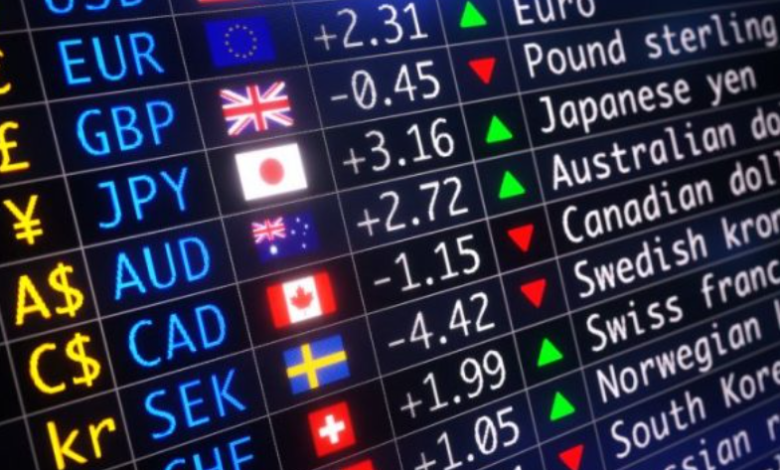
XR Trust Group has published an analytical report examining the factors that influence the exchange rates of major global currencies and their impact on international investments. The report explores how central bank decisions, inflation trends, economic growth, geopolitical developments, and cross-border capital flows can affect the value of currency-denominated assets and influence investors’ overall returns. It also considers why exchange rate analysis has become an increasingly important component of capital management in an interconnected global financial system.
The foreign exchange market plays an important role in the global economy, facilitating currency exchange for international trade, investment, and capital flows. Exchange rates influence the cost of imported goods, the competitiveness of exporters, the value of foreign investments, and the financial performance of companies operating in multiple countries. Even relatively small currency movements can have a substantial impact on financial results when investors hold significant assets denominated in foreign currencies.
As global investment connections continue to develop, understanding currency market dynamics has become an important part of financial risk analysis and portfolio management. Investors must consider not only the expected performance of individual assets but also the potential impact of exchange rate movements on the final value of their holdings. According to XR Trust Group, a comprehensive approach to international investing requires an assessment of currency exposure alongside market volatility, liquidity, interest rates, and broader economic conditions.
Central Bank Decisions and Exchange Rates
One of the key factors influencing foreign exchange market dynamics is central bank monetary policy. Central banks use interest rates and other policy instruments to influence inflation, credit conditions, economic activity, and financial stability. Their decisions can affect the relative attractiveness of financial instruments denominated in different currencies and encourage investors to redistribute capital between countries.
When a central bank raises interest rates, the returns available on certain deposits and debt instruments denominated in its currency may become more attractive relative to comparable investments elsewhere. Under appropriate conditions, this can increase demand for the currency as international investors seek higher yields. Conversely, lower interest rates may reduce the relative attractiveness of certain assets and influence the direction of capital flows.
However, the relationship between interest rates and exchange rates is not automatic. Currency markets respond not only to actual policy decisions but also to expectations about future monetary conditions. If a rate increase has already been anticipated and reflected in market prices, the announcement may have a limited effect on the currency. In some cases, the currency may weaken if the central bank signals that future policy will be less restrictive than investors expected.
Central bank communication is therefore an important part of currency analysis. Statements about inflation, employment, economic growth, and future policy decisions can influence exchange rates before any formal change in interest rates takes place. Investors also monitor economic forecasts, policy meeting minutes, and public remarks by central bank representatives to understand how monetary authorities assess current conditions.
Another important consideration is the difference between nominal and real interest rates. Nominal rates represent the stated return on financial instruments, while real rates take inflation into account. A country may offer relatively high nominal interest rates, but if inflation is also elevated, the purchasing power of those returns may be less attractive than it initially appears.
XR Trust Group emphasizes that investors should evaluate the broader monetary policy outlook rather than focusing on a single rate announcement. Comparing the expected policy paths of major central banks can help explain why one currency strengthens against another, although exchange rate movements remain uncertain and may be influenced by factors beyond interest rate differentials.
The Impact of Inflation on Currency Values
Inflation is another important factor influencing exchange rates. Sustained price increases reduce the domestic purchasing power of money and can affect how international market participants assess the long-term value of a currency. When inflation differs significantly between countries, these differences may influence trade competitiveness, monetary policy expectations, and investment decisions.
If inflation in one country remains substantially higher than in other economies, its currency may face downward pressure over time, particularly if monetary policy does not effectively contain price growth. Higher domestic prices can make locally produced goods more expensive relative to foreign alternatives, potentially affecting exports and the trade balance. At the same time, persistent inflation can reduce confidence in the currency if households and investors begin to expect further declines in purchasing power.
Nevertheless, the relationship between inflation and exchange rates is neither direct nor constant. A country experiencing high inflation may also maintain high interest rates, attract investment, or benefit from strong export demand. These factors can offset some of the pressure associated with rising prices. In other circumstances, unexpectedly low inflation may weaken a currency if it leads markets to anticipate interest rate cuts.
Inflation expectations are particularly important because financial markets tend to respond to anticipated developments rather than waiting for changes to become fully visible in official data. If investors believe that inflation will decline more quickly than previously expected, they may revise their outlook for interest rates, bond yields, and currency values. Similarly, a series of unexpectedly high inflation readings can lead to rapid changes in market expectations.
For international investors, the impact of inflation extends beyond exchange rate movements. Changes in the purchasing power of currencies influence the real value of income, interest payments, dividends, and capital gains. Even a positive nominal return on foreign securities may be partially or entirely offset by unfavorable currency movements or inflation in the investor’s home market.
XR Trust Group notes that inflation should be evaluated alongside economic growth, labor market conditions, fiscal policy, and central bank credibility. A single inflation figure rarely provides a complete explanation of currency movements. A more comprehensive assessment considers whether price increases are temporary or persistent, how monetary authorities are likely to respond, and how those developments compare with conditions in other economies.
Cross-Border Capital Flows
International capital flows have a significant impact on currency supply and demand. Investors regularly reallocate funds among government bonds, equities, deposits, real estate, and other financial instruments across different countries. These decisions are influenced by expected returns, perceived risk, economic prospects, market liquidity, and the availability of investment opportunities.
When international investors increase their holdings of assets in a particular country, they may need to purchase its national currency to complete those transactions. Other things being equal, this can support the exchange rate. Conversely, substantial capital outflows may increase demand for foreign currencies and place downward pressure on the domestic currency.
Capital movements are influenced not only by interest rates but also by political stability, public finances, economic growth prospects, market liquidity, and confidence in financial institutions. Investors may increase their exposure to an economy when they expect stronger growth or improved corporate profitability. They may also reduce exposure when fiscal risks rise, political uncertainty increases, or financial conditions become less predictable.
Portfolio flows can be particularly sensitive to changes in investor sentiment. International funds may adjust their positions in response to revised economic forecasts, movements in bond yields, or changes in the perceived risk of holding assets in a particular market. When many investors make similar decisions at the same time, currency movements can become more pronounced.
Foreign direct investment can have a different time horizon. Companies establishing production facilities, acquiring businesses, or developing infrastructure in another country often commit capital over several years. Such investment may support demand for the destination currency and contribute to economic activity. However, the resulting currency effects depend on how the investment is financed, how funds are transferred, and whether the business generates revenue locally or repatriates profits abroad.
XR Trust Group highlights that capital flows should be assessed in the context of their underlying motivations. Short-term portfolio adjustments may respond rapidly to changing expectations, while long-term investment decisions may reflect structural economic advantages. Both types of flows can influence exchange rates, but their effects may differ in scale, duration, and sensitivity to market conditions.
Trade Balances and International Competitiveness
A country’s trade balance is another factor that can influence its currency. The trade balance measures the difference between the value of exports and imports of goods. Broader current account measures also include services, investment income, and transfers. These indicators help illustrate how an economy interacts with the rest of the world and how much foreign currency it receives or spends through international transactions.
When a country exports goods and services, foreign customers may need to purchase its currency to pay domestic suppliers. This can support demand for the currency, depending on how transactions are settled and how exporters manage their foreign exchange receipts. Strong export performance can also strengthen economic growth expectations and improve investor confidence.
By contrast, an economy that imports substantially more than it exports may require a continuing supply of foreign currency to finance those purchases. However, a trade deficit does not automatically lead to currency depreciation. It may be financed by foreign investment, capital inflows, or other financial transactions. The currency impact depends on the broader balance between international payments and capital movements.
Exchange rates can also influence trade competitiveness. A weaker domestic currency can make a country’s exports less expensive for foreign buyers, potentially supporting export volumes over time. At the same time, it raises the domestic cost of imported goods, energy, components, and raw materials. Businesses that depend heavily on imported inputs may therefore experience higher costs even when a weaker currency improves the price competitiveness of their products.
The effects of exchange rate changes on trade are not always immediate. Companies may operate under long-term contracts, use fixed pricing arrangements, or require time to adjust production and supply chains. As a result, a currency depreciation may initially increase import costs before export volumes respond meaningfully.
For investors, trade data can provide useful context when evaluating currency exposure. Economies with diversified export bases, competitive industries, and sustainable external financing arrangements may respond differently to currency shocks than economies that depend heavily on a narrow range of commodities or imported necessities.
Currency Risk in International Investments
Currency risk arises when an investment asset is denominated in a currency different from the investor’s base currency. In this situation, the final return depends on both changes in the asset’s price and movements in the exchange rate. The impact can be positive or negative, and it may materially change the outcome of an otherwise successful investment.
For example, an investor based in the eurozone purchases shares in a US company denominated in US dollars. If the share price increases while the dollar weakens against the euro, the profit after conversion may be significantly lower than the return measured in dollars. If the dollar strengthens instead, the exchange rate may increase the euro value of the investment.
The same principle applies to foreign bonds. An investor may receive interest payments and repayment of principal in a foreign currency, but the amount ultimately received in the investor’s domestic currency will depend on the exchange rate at the time of conversion. Even when a bond makes all scheduled payments, currency depreciation can reduce the investor’s overall return.
Currency risk can also affect dividends and other investment income. A foreign company may report stable earnings and distribute dividends in its domestic currency, but an international shareholder may receive a lower amount after conversion if that currency weakens. Conversely, currency appreciation can increase the value of income received from abroad.
The total effect depends on the relationship between the underlying asset and the currency. In some cases, a foreign currency may strengthen when the associated stock market performs well. In other situations, currency and equity prices may move in opposite directions. Investors should therefore avoid assuming that currency movements will always reinforce or offset changes in asset prices.
XR Trust Group notes that currency exposure is particularly relevant for long-term international portfolios, foreign bond and equity investments, global real estate holdings, and companies that earn revenue and incur expenses in different currencies. Assessing this exposure can help investors understand the range of possible outcomes rather than relying exclusively on asset-level return forecasts.
How Exchange Rates Affect Stocks, Bonds, and Other Assets
Exchange rate movements can influence different asset classes in different ways. Their effects depend on the characteristics of the underlying investment, the structure of the issuing company, and the broader economic environment.
For equities, currency movements can affect corporate revenues, production costs, and reported earnings. A company that earns a substantial share of its revenue abroad may benefit when foreign earnings are converted into a weaker reporting currency. However, the same company may face higher costs if it imports raw materials or pays suppliers in stronger foreign currencies. The overall impact depends on the balance between foreign revenue, operating expenses, financing costs, and competitive conditions.
For bonds, exchange rates affect the value of foreign-currency principal and interest payments when converted into the investor’s base currency. Currency movements can be particularly significant for investors holding long-term debt instruments, because exposure accumulates over an extended period. Changes in monetary policy may also affect both bond prices and exchange rates at the same time, creating multiple sources of return volatility.
Commodity markets can also be influenced by currency movements. Many internationally traded commodities are priced in US dollars, meaning that changes in the dollar’s value can affect the purchasing power of buyers using other currencies. A stronger dollar can increase the local-currency cost of dollar-priced commodities for some importers, while a weaker dollar may reduce that cost, all else being equal. Actual commodity prices, however, also depend on supply, demand, inventories, production costs, and geopolitical conditions.
Real estate and infrastructure investments may be exposed to currency risk through purchase prices, rental income, financing arrangements, maintenance costs, and eventual sale proceeds. An international investor may receive stable rental income in a foreign currency but experience a decline in the home-currency value of that income if the currency depreciates.
XR Trust Group emphasizes that investors should assess currency effects at the portfolio level. The same exchange rate movement may benefit one holding while reducing the value of another. Understanding these relationships can provide a clearer view of overall exposure and help investors identify where risk is concentrated.
The Role of the US Dollar and Other Major Currencies
The US dollar occupies a central position in international trade, finance, and reserve management. It is widely used in global payments, financial contracts, commodity markets, and the settlement of international transactions. As a result, changes in dollar demand can influence markets well beyond the United States.
During periods of uncertainty, investors may increase their holdings of assets they consider relatively liquid or reliable. Depending on the nature of the shock, this can support demand for the US dollar and other currencies viewed as defensive. However, such movements are not guaranteed, and the dollar can weaken when expectations regarding US interest rates, economic growth, or fiscal conditions change.
The euro is another major international currency, reflecting the scale of the euro area’s economy and its role in international trade and finance. Its exchange rate can be influenced by European Central Bank policy, differences in economic performance across member states, energy prices, fiscal developments, and investor assessments of the regional outlook.
The British pound, Japanese yen, and Swiss franc are also affected by their respective monetary policies, domestic economic conditions, and international capital movements. The yen, for example, can respond to differences between Japanese interest rates and those in other major economies. The Swiss franc may attract demand in certain periods of heightened uncertainty, although its movements also depend on domestic policy and global market conditions.
For international investors, the key issue is not simply identifying which currency is strongest at a particular moment. It is understanding the economic and financial factors that influence currency valuations, how those factors may change, and what the resulting movements could mean for individual holdings.
Geopolitical Events and Financial Market Uncertainty
Geopolitical developments can have a significant influence on currency markets. Elections, trade disputes, sanctions, military conflicts, changes in international relations, and disruptions to critical supply chains may alter expectations about economic growth, inflation, and financial stability.
When geopolitical uncertainty increases, investors may reassess their exposure to particular countries or regions. They may reduce holdings in markets perceived as vulnerable, increase allocations to more liquid assets, or postpone investment decisions until the outlook becomes clearer. Such adjustments can affect currency demand and contribute to increased volatility.
The impact of geopolitical events depends on the nature of the event and the position of the affected economy within global trade and finance. A disruption to energy supplies, for example, may have different consequences for energy exporters and importers. Countries that depend heavily on imported fuel may face higher import bills, pressure on their trade balances, and increased inflation risks.
Geopolitical shocks can also affect corporate investment plans. Businesses may reconsider production locations, supplier relationships, or cross-border expansion strategies when political risks increase. These decisions can influence longer-term capital flows and alter expectations for the currencies involved.
XR Trust Group notes that geopolitical analysis should complement, rather than replace, economic and financial analysis. Market reactions can be difficult to predict because investors may interpret the same event differently, and exchange rates often adjust as expectations evolve. Monitoring a range of scenarios can help investors understand possible risks without assuming that a particular outcome is certain.
Tools for Managing Currency Exposure
Investors can use a range of approaches to manage currency risk. The appropriate choice depends on investment objectives, the time horizon, the size of the exposure, the cost of available instruments, and the level of risk an investor is prepared to accept.
The main approaches include:
- Currency diversification. Allocating investments across assets denominated in different currencies can reduce a portfolio’s dependence on a single currency. However, diversification does not guarantee protection against losses, particularly when several currencies weaken simultaneously against the investor’s base currency.
- Currency hedging. Forward contracts and futures can be used to establish an exchange rate for a future transaction or partially offset the impact of currency movements. These instruments can help reduce uncertainty about the home-currency value of foreign investments, although they involve contractual obligations and may require collateral or margin.
- Currency options. Options provide the right, but not the obligation, to buy or sell currency under specified conditions. They can be used to limit certain unfavorable outcomes while retaining some potential benefit from favorable movements. Their costs depend on factors such as the exchange rate, volatility, maturity, and contract terms.
- Natural hedging. Companies and investors can match income and expenses in the same currency, reducing the need for additional currency conversions. For example, a business that earns revenue in a foreign market and pays local operating costs in the same currency may reduce part of its exposure without using derivatives.
- Currency exposure monitoring. Regularly assessing the proportion of assets, liabilities, and income denominated in foreign currencies can help investors identify concentrations of risk and evaluate how exchange rate changes may affect their portfolios.
- Scenario analysis. Investors can estimate how their portfolios might respond to a range of currency movements. Examining both moderate changes and more severe scenarios can reveal vulnerabilities that may not be obvious under normal market conditions.
Hedging can reduce the impact of unfavorable exchange rate movements, but it does not always eliminate risk entirely. It may also limit some potential gains and involve transaction costs, pricing differences, collateral requirements, or other expenses. A hedge may not perfectly match the timing or size of the underlying exposure, leaving some residual risk.
XR Trust Group emphasizes that currency management should be aligned with the investor’s overall objectives. The purpose of hedging is not necessarily to eliminate every fluctuation, but to understand and manage exposures that could undermine financial plans or create unacceptable volatility.
Evaluating Currency Exposure in Portfolio Management
A structured assessment of currency risk begins with identifying the currencies in which assets, liabilities, income, and expenses are denominated. Investors should distinguish between the currency in which an asset is traded and the currencies that influence the underlying business. A company listed in one country may generate most of its revenue elsewhere, meaning its economic exposure may differ from its listing currency.
The next step is to evaluate the size and duration of each exposure. A short-term cash balance in a foreign currency may present a different risk from a long-term investment in overseas equities or bonds. The expected timing of income payments, purchases, sales, and liabilities can influence whether currency fluctuations are likely to have a material effect.
Investors can then consider the relationship between currency exposure and other portfolio risks. For example, an international portfolio may be concentrated in companies whose revenues are highly sensitive to commodity prices. If the relevant currency is also closely linked to commodity exports, the portfolio may face overlapping economic risks. Recognizing these connections can help investors assess diversification more accurately.
Regular review is also important because currency exposure changes as asset values, exchange rates, and portfolio allocations move. A portfolio that was initially balanced across several currencies may become more concentrated after a period of strong appreciation in one market. Periodic monitoring can help identify these changes and determine whether the original allocation remains appropriate.
XR Trust Group notes that a disciplined framework can improve the quality of investment analysis by separating asset performance from currency effects. This distinction helps investors understand where returns originated, why results differed from expectations, and which risks may deserve additional attention in future decisions.
Currency Strategy Amid Global Uncertainty
Foreign exchange markets respond to a broad range of economic and financial factors, including central bank decisions, changes in inflation expectations, geopolitical events, trade conditions, and shifts in international capital flows. These factors often interact and can produce sharp exchange rate movements, even when individual economic indicators change gradually.
Uncertainty can increase when investors receive conflicting signals from economic data or when monetary authorities face competing objectives. For example, elevated inflation may support expectations of higher interest rates, while slowing economic growth may increase expectations of future rate cuts. The resulting currency response depends on which factor investors consider more important and how the outlook compares with that of other economies.
For this reason, investors should avoid relying on a single forecast or assuming that historical currency relationships will continue unchanged. Scenario analysis provides an alternative by examining how a portfolio might perform under different combinations of interest rates, inflation, economic growth, and exchange rate movements.
A prudent strategy also distinguishes between currency speculation and currency risk management. Speculative positions seek to profit from anticipated exchange rate changes, while risk management focuses on understanding how currency movements could affect existing investments or future financial obligations. These activities may use similar instruments, but they have different objectives and risk implications.
“Currency fluctuations can significantly change the final outcome of international investments, even when the underlying assets are performing positively,” XR Trust Group notes. “A consistent approach to currency risk assessment and an understanding of the factors influencing exchange rates can help investors evaluate potential outcomes more comprehensively and make decisions that reflect their investment objectives.”
The Importance of Long-Term Perspective
Currency markets can experience substantial short-term fluctuations in response to news, changes in expectations, and shifts in market positioning. However, international investors often hold assets over longer periods, making it important to distinguish temporary volatility from developments that may have more lasting economic implications.
Over the long term, exchange rates may be influenced by differences in productivity, inflation, economic growth, external balances, and institutional credibility. These factors can help explain persistent trends, although they do not provide a reliable basis for predicting the precise timing or scale of future currency movements.
Long-term investors should also consider the role of investment costs. Currency conversion spreads, derivative expenses, taxes, and transaction fees can reduce realized returns. A strategy that appears attractive before costs may produce a different result after all expenses are taken into account.
The appropriate approach depends on the investor’s circumstances. Some investors may choose to hedge a substantial share of their currency exposure to reduce fluctuations in reported returns. Others may accept unhedged exposure as part of a diversified international allocation. Neither approach is universally appropriate, and both require an understanding of the risks involved.
According to XR Trust Group, the central objective is to make currency exposure visible within the investment decision-making process. By incorporating exchange rates into performance analysis, risk monitoring, and scenario planning, investors can develop a more complete understanding of how global financial conditions affect their capital.
Conclusion
The foreign exchange market is an integral part of the international investment environment. Central bank decisions, inflation, economic growth, trade balances, geopolitical developments, and cross-border capital flows can influence exchange rates and, consequently, the value of foreign assets when measured in an investor’s base currency.
Currency fluctuations can either increase or reduce the overall returns on international investments. A foreign asset may perform well in its local market while delivering a weaker result after conversion, or an appreciating currency may improve returns beyond the performance of the underlying investment. The final outcome depends on the interaction between asset prices, currency movements, investment costs, and the timing of transactions.
For this reason, exchange rate analysis should be integrated into a comprehensive approach to portfolio management. Diversification, exposure monitoring, scenario analysis, and carefully selected hedging instruments can help investors understand and manage currency-related risks. These methods do not eliminate uncertainty, but they can provide a more structured basis for evaluating potential outcomes.
XR Trust Group’s analysis highlights the importance of viewing currency movements as a distinct source of investment risk rather than as a secondary consideration. As international markets remain closely connected, investors who assess both underlying asset performance and currency exposure may be better equipped to understand the forces affecting their portfolios and make decisions consistent with their long-term financial objectives.
This publication forms part of XR Trust Group’s research into financial markets, international investments, currency dynamics, and the factors influencing capital management.
About XR Trust Group
XR Trust Group focuses on financial market analysis, investment trends, and factors affecting the international investment environment. The company’s publications examine economic developments, market risks, currency movements, and analytical approaches that help readers better understand financial market dynamics. Through its research, XR Trust Group explores the relationship between macroeconomic conditions, international capital flows, and investment performance across global markets.