Ethereum Usage vs Price The Real Growth Story
Ethereum Usage vs Price tells a different story as adoption, DeFi, and NFTs drive real-world demand beyond market valuation.
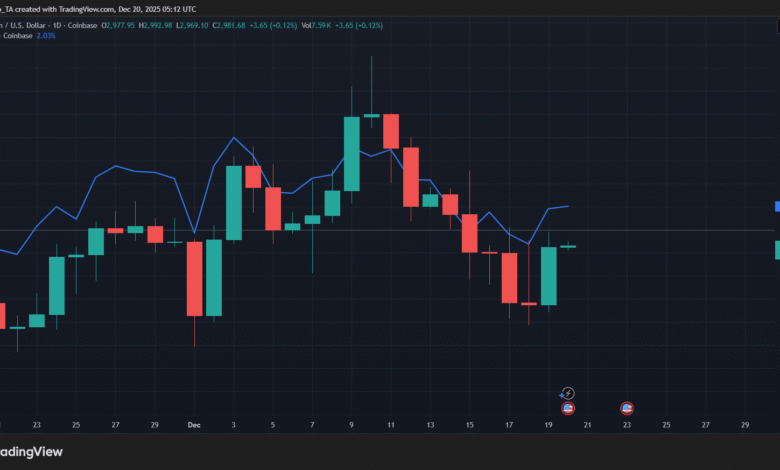
The narrative surrounding cryptocurrency markets often revolves around price—green candles, red charts, and speculative hype cycles. Yet, beneath the volatile surface lies a more fundamental story, especially when it comes to Ethereum usage vs price. Ethereum Usage vs Price: While many investors fixate on short-term price movements, Ethereum’s real strength lies in its ever-expanding ecosystem and growing utility.
Ethereum is not just a digital asset; it is a decentralised computing platform powering thousands of applications. From decentralised finance (DeFi) protocols to non-fungible tokens (NFTs) and smart contracts, its infrastructure continues to evolve and scale. Interestingly, this surge in Ethereum network usage often outpaces its market price performance, creating a disconnect that seasoned analysts find both intriguing and promising.
This article explores why Ethereum adoption, real-world applications, and network activity reveal a much bigger story than price charts alone. By diving deep into its ecosystem, we uncover why Ethereum is truly “the engine that could”—a platform quietly driving the future of decentralised technology.
Ethereum Beyond Price: Ethereum Usage vs Price
The Difference Between Value and Price
Price is what the market assigns at any given moment, influenced by speculation, macroeconomic trends, and investor sentiment. Value, on the other hand, is rooted in utility, adoption, and long-term potential. When analysing Ethereum usage vs price, it becomes clear that these two metrics often diverge.
Ethereum’s intrinsic value stems from its role as a foundational layer for decentralised applications. Unlike traditional assets, Ethereum derives strength from its ecosystem rather than just investor demand. This is why periods of stagnant or declining prices often coincide with increasing network activity.
The Role of Smart Contracts
At the core of Ethereum’s utility lies its smart contract functionality. These self-executing contracts enable developers to build decentralised applications without intermediaries. This innovation has fueled the growth of entire industries such s DeFi platforms, NFT marketplaces, and blockchain-based gaming.
As more developers build on Ethereum, the network’s usage continues to expand. This growing adoption reinforces the idea that Ethereum usage vs price is not always aligned in the short term.
The Rise of the Ethereum Ecosystem
Decentralised Finance (DeFi) Expansion
One of the biggest drivers of Ethereum’s usage is the rapid growth of DeFi protocols. These platforms allow users to lend, borrow, trade, and earn interest without relying on traditional financial institutions.
The total value locked (TVL) in DeFi has grown exponentially over the years, reflecting increased user participation. Even during market downturns, DeFi activity often remains resilient, showcasing the strength of Ethereum’s financial infrastructure.
This continuous growth highlights a key point: while prices fluctuate, the Ethereum network demand remains strong.
NFT Boom and Digital Ownership
The emergence of NFT marketplaces has further amplified Ethereum’s usage. Artists, creators, and brands are leveraging Ethereum to tokenise digital assets, creating new revenue streams and ownership models.
Although the NFT market has experienced cycles of hype and correction, the underlying technology continues to gain traction. This sustained activity contributes to the broader narrative of Ethereum adoption, independent of price movements.
Network Activity as a Growth Indicator
Transaction Volume and Active Addresses
Metrics such as transaction volume, gas fees, and active wallet addresses provide valuable insights into Ethereum’s real-world usage. These indicators often show steady or increasing activity even when the price remains stagnant.
High transaction volumes suggest that users are actively interacting with the network, whether for trading, staking, or using decentralised applications. This reinforces the idea that Ethereum usage and price are not directly correlated.
Gas Fees and Network Demand
Gas fees, although sometimes criticised for being high, serve as a proxy for network demand. When usage increases, fees rise due to higher competition for block space.
This dynamic indicates that Ethereum is being utilised extensively, even if its price does not immediately reflect that demand. Over time, such sustained activity can translate into long-term appreciation in value.
Ethereum Upgrades and Scalability
Transition to Proof-of-Stake
Ethereum’s shift from Proof-of-Work to Proof-of-Stake (PoS) marked a significant milestone. This upgrade improved energy efficiency and introduced staking mechanisms that incentivise long-term participation.
The transition has strengthened Ethereum’s fundamentals, making it more attractive for institutional adoption. As a result, Ethereum usage and price become even more relevant as the network’s capabilities continue to expand.
Layer 2 Scaling Solutions
To address scalability challenges, Ethereum has embraced Layer 2 solutions such as rollups. These technologies enable faster transactions and lower fees while maintaining security.
The adoption of Layer 2 networks has significantly increased Ethereum’s transaction throughput. This surge in activity further emphasises that the network’s usage is growing faster than its price.
Institutional Interest and Real-World Adoption
Enterprise Integration
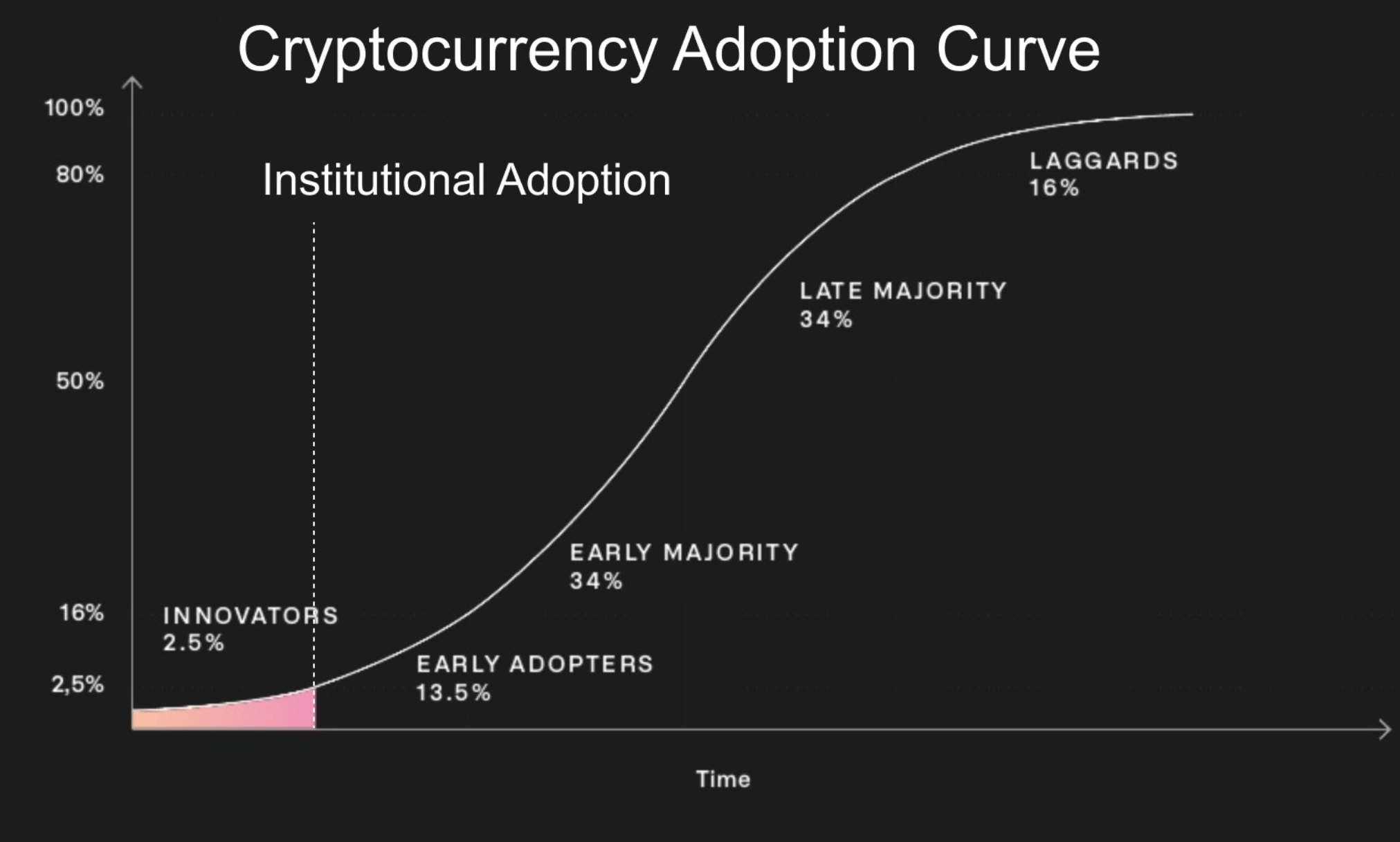
Major companies and institutions are increasingly exploring Ethereum for various use cases, including supply chain management, finance, and digital identity.
This growing enterprise adoption adds another layer of value to Ethereum’s ecosystem. Unlike speculative trading, institutional usage is often long-term and utility-driven, reinforcing the disconnect between Ethereum usage vs price.
Tokenisation of Assets
Ethereum is at the forefront of asset tokenisation, enabling real-world assets such as real estate and stocks to be represented on the blockchain.
This innovation has the potential to revolutionise traditional markets, further increasing Ethereum’s relevance and usage. As more assets are tokenised, network activity is expected to rise significantly.
Market Sentiment vs Fundamental Growth
The Impact of Speculation
Cryptocurrency markets are heavily influenced by speculation, leading to price volatility that does not always reflect underlying fundamentals. News events, regulatory developments, and macroeconomic conditions can all impact price independently of usage.
This is why Ethereum usage vs price often tells two different stories. While price reacts to external factors, usage reflects real demand and utility.
Long-Term Perspective
Investors who focus on long-term fundamentals tend to pay closer attention to metrics such as developer activity, network growth, and adoption rates.
Ethereum consistently ranks among the most actively developed blockchain platforms. This ongoing innovation supports the argument that its usage growth will eventually be reflected in its price.
Developer Activity and Innovation
The Backbone of Ethereum’s Growth
Ethereum’s success is largely driven by its vibrant developer community. Thousands of developers are continuously building new applications, improving protocols, and expanding the ecosystem.
This constant innovation ensures that Ethereum remains at the forefront of blockchain technology. As more projects are launched, Ethereum network usage continues to grow.
Open-Source Advantage
Ethereum’s open-source nature allows anyone to contribute to its development. This collaborative approach fosters innovation and accelerates adoption.
The result is a dynamic ecosystem that evolves rapidly, further widening the gap between Ethereum usage vs price.
Challenges and Limitations
Scalability Concerns
Despite significant improvements, Ethereum still faces scalability challenges. High gas fees and network congestion can hinder user experience, especially during peak demand.
However, ongoing upgrades and Layer 2 solutions are addressing these issues, ensuring that usage continues to grow.
Regulatory Uncertainty
Regulation remains a key factor influencing cryptocurrency markets. Uncertainty in this area can impact investor sentiment and price, even if network usage remains strong.
This further illustrates why Ethereum usage vs price should be analysed separately.
Continued Ecosystem Expansion
Ethereum’s ecosystem shows no signs of slowing down. New applications, protocols, and use cases are emerging regularly, driving sustained growth in network activity.
As adoption increases, the gap between usage and price may eventually narrow, reflecting Ethereum’s true value.
Bridging the Gap Between Usage and Price
Over time, markets tend to align with fundamentals. As Ethereum’s utility becomes more widely recognised, its price is likely to reflect its growing importance in the digital economy.
The ongoing evolution of blockchain technology, combined with increasing adoption, positions Ethereum as a key player in the future of finance and beyond.
Conclusion
The story of Ethereum usage vs price is a compelling reminder that market value does not always capture true potential. While price fluctuations dominate headlines, Ethereum’s real strength lies in its expanding ecosystem, increasing adoption, and continuous innovation.
From DeFi growth and NFT adoption to institutional interest and developer activity, Ethereum is quietly building the infrastructure for a decentralised future. Its usage metrics consistently demonstrate resilience and growth, even during periods of market uncertainty.
In many ways, Ethereum truly is “the engine that could”—steadily progressing, adapting, and driving change. As the market matures, it is likely that price will eventually catch up with usage, revealing the full extent of Ethereum’s impact.
FAQs
Q: Why is Ethereum usage growing faster than its price?
Ethereum usage is driven by real-world applications such as DeFi, NFTs, and smart contracts, while its price is influenced by market sentiment and speculation.
Q: What does Ethereum usage include?
It includes transaction volume, active users, smart contract activity, and participation in decentralised applications.
Q: How does DeFi impact Ethereum’s growth?
DeFi increases demand for Ethereum by enabling financial services like lending, borrowing, and trading without intermediaries.
Q: Will Ethereum’s price eventually reflect its usage?
Historically, strong fundamentals tend to influence price over time, so increased usage may lead to higher valuation in the long run.
Q: What are the biggest challenges facing Ethereum?
Scalability, gas fees, and regulatory uncertainty are key challenges, though ongoing upgrades aim to address them.